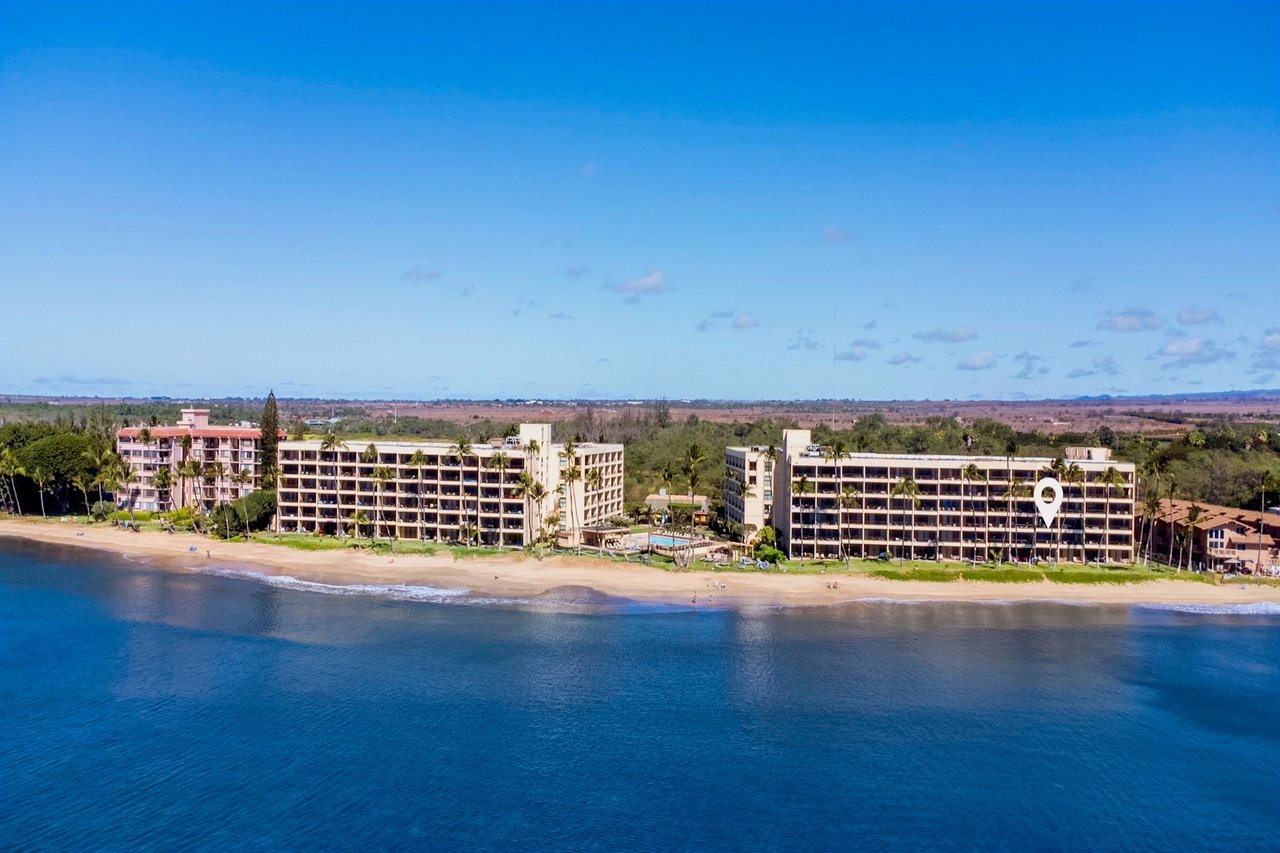
South Maui Condo vs Home: How to Choose for a Second Home
March 5, 2026
March 5, 2026
Trying to decide between a condo or a single-family home for your South Maui second home? You are not alone. Both options offer sunshine, sand, and views, but the day-to-day experience, carrying costs, and rental rules can be very different. In this guide, you will learn the practical pros and cons, how new rules may affect rentals, and the key checks to run before you write an offer. Let’s dive in.
South Maui includes two main vibes. Wailea and Mākena feel resort-luxury, while Kihei offers a wider mix of neighborhoods and price points. Local reporting that cites RAM data shows single-family medians often above the low to mid $1 million range, while condo medians vary widely by submarket. As one reference point, Maui Now reported in mid-2024 that the county’s single-family median hit about $1.35 million while condos were around $980,000.
What does that mean for you? In simple terms, homes tend to offer more space and privacy at a higher purchase price. Condos often trade space for convenience, amenities, and historically easier rental operations, but they now carry higher policy risk in many complexes.
Condo ownership often eases your to-do list. Exterior maintenance, common-area landscaping, and pools are handled by the association. That can be ideal when you fly in for short stays and want to relax, not coordinate vendors. The tradeoff is a monthly HOA fee, plus the risk of special assessments.
Resort-style complexes, especially in Wailea, can include pools, fitness centers, security, and on-site teams that support a lock-and-leave lifestyle. Those services add comfort and peace of mind. They also increase dues, so review what your HOA covers and how reserves are funded.
After the 2023 wildfires, many Hawaii condo associations faced higher insurance costs and tighter terms. Before you buy, ask for the association’s master-policy declarations and confirm replacement limits, deductibles, and any hurricane or flood sublimits. The Hawaii Insurance Division has discussed market shifts and programs to stabilize coverage, which highlights why master-policy details matter to buyers (state Insurance Division updates).
If you plan to offset costs with vacation rentals, you must understand Maui County’s Bill 9. The County confirmed that the law phases out transient vacation rental use for many apartment-zoned condos that once operated under the Minatoya exemption. Read the County’s press release and the Bill 9 text to understand timing and the possibility of rezoning for select properties. Many buyers who once assumed steady STR income now face more uncertainty. Always verify a unit’s zoning, permit status, and recorded condo rules before modeling rental income.
A home gives you land, space, and separation from neighbors. You can enjoy a private pool, manage landscaping the way you like, and host longer family stays. If your second home is about gathering and staying for weeks at a time, this can feel worth the added upkeep.
Single-family homes in residential zones are generally less exposed to Bill 9’s phase-out, which targets many apartment-zoned condos. That can mean lower regulatory risk if you intend to rent short term, though you still need to verify local and HOA rules for your specific property. Confirm current County requirements before counting on any rental income.
With a home, you own the roof, yard, and everything in between. That adds flexibility and control but also means lining up vendors and budgeting for periodic projects. Many part-time owners hire a local caretaker or manager to keep things running smoothly.
Hawaii enacted a statewide “Green Fee” that raises the state Transient Accommodations Tax to 11.00 percent starting January 1, 2026. If you plan any short-term stays or rentals, this change affects guest pricing and your net income. See the summary from the Hawaii Climate Advisory Team for context. Remember that county lodging surcharges and the general excise tax can also apply.
Maui County’s property tax system uses classifications and tiers. Units classified for short-term rental typically face higher rates than owner-occupied or long-term rentals. Your projected annual carrying cost can change significantly based on classification, so model scenarios before you buy.
Condo dues in Kihei often run in the mid-hundreds to low thousands per month, while many Wailea resort communities run higher due to staffing and amenities. Ask for a breakdown of what your dues cover, recent increases, and any upcoming projects. Set aside a reserve for possible special assessments.
Wailea’s resort area has historically performed at the higher end of Average Daily Rate and RevPAR. Market performance varies by season and micro-market, and condo returns are not the same as hotel metrics. New policy changes have raised the bar on due diligence for apartment-zoned condos, which may need to convert to long-term rental, pursue rezoning, or accept lower STR expectations. The County’s overview page is a good starting point for current rules and permit paths (short-term rental resources).
Liquidity can differ by price band and location. Luxury Wailea properties often attract a global buyer pool, while mid-market Kihei condos can appeal to a broad range of lifestyle buyers and investors. Policy shifts have cooled confidence in some apartment-zoned condo segments, which can affect time on market and values. For broader context on how condos and homes have moved differently, see Maui Now’s market coverage.
Ready to weigh condos vs homes for your South Maui second home? Let’s align your lifestyle goals, budget, and risk tolerance, then run a clear plan. For local perspective and a tailored shortlist, connect with Mino McLean for a personalized consultation.
Stay up to date on the latest real estate trends.

October 7, 2026

October 1, 2026

September 10, 2026
August 28, 2026
Agricultural land
August 20, 2026
What agricultural zoning actually permits on Maui's ag-zoned parcels, from farm dwellings to septic capacity.

Right Sizing
August 14, 2026
Architecture
July 30, 2026
Haʻikū luxury home for sale
July 21, 2026
Nuka Haiku Restaurant

July 18, 2026
Buying a home in Upcountry or rural Maui? Here's how Hawaii's 2050 cesspool law works, what conversion costs, and how to inspect before you buy.
Mino empowers buyers and sellers to make impactful, meaningful, informed decisions that enrich their lives for the better. Approaches each client with integrity and a sense of honesty that’s born from working in a place she’s always called home.