Are Pukalani Upcountry Maui Homes Right for You?
June 15, 2026
June 15, 2026
I'll be honest. I have spent most of my real estate career as a Kula snob.
Grew up on Lower Kimo Drive. Raised on the idea that higher meant better - cooler air, bigger views, more sky, more quiet. Pukalani was just the town you passed through on the way up. The place with the gas station and the grocery store. Functional. Fine. Not where you'd choose to live if Kula was an option.
Then in 2024 I met someone. The love of my life, as it turns out. And he owned a home in Pukalani.
I sold that home eventually - occupational hazard - but before I did, he opened my eyes to a community I had been casually dismissing for decades. And I want to tell you what I found, because I think a lot of Upcountry buyers make the same mistake I did.
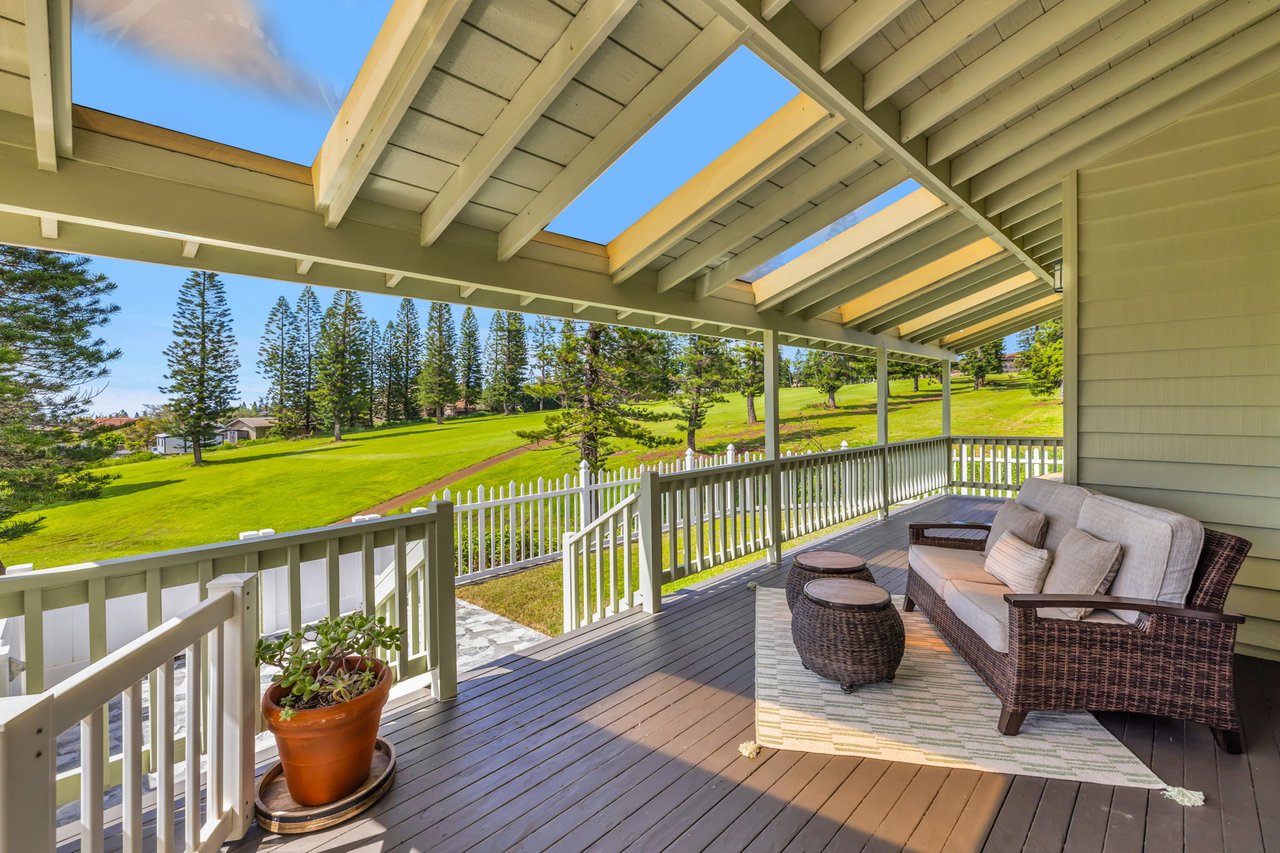
Every morning and every evening, people are out walking their dogs along the golf course. There is a feeling of expansiveness there that sneaks up on you - the course, the gulches, the pine trees, the constant sound of birds. It does not feel dense or suburban. It feels settled and alive in a way that is hard to describe until you have spent a few mornings in it.
And then there is the practical reality that Kula people like me tend to overlook: you are not actually that far from anything. When you think you live Upcountry, removed from the world, you are really just a short dash from town, from the hospital, from the airport, from whatever you need. That proximity does not cost you the Upcountry feeling. You just get both.
I was wrong about Pukalani. Here is what I know now.
Pukalani sits in the lower Upcountry band, roughly 1,400 to 1,800 feet in elevation. Winter lows around 54°F, summer highs around 74°F, tradewinds moving through most of the day. It is cooler and breezier than anything coastal without tipping into the colder, drier conditions you find farther up the mountain in upper Kula.
For a lot of buyers, that is the sweet spot. Enough elevation to feel the difference. Not so much that you're reaching for a jacket in July.
Not all of Pukalani is the same, and this matters when you are comparing properties.
Lower Pukalani (around golf course) has underground utilities and private sewer. That is not something you find everywhere on Maui, and it is the kind of infrastructure detail that affects long-term ownership costs and peace of mind in ways that don't show up in the listing photos.
Upper Pukalani tends to offer larger lots - often half-acre and above. If land matters to you, that is where to look.
Know which part of town you are shopping before you start comparing prices.
Pukalani Country Club sits at about 1,100 feet with Pacific Ocean views and Haleakalā in the backdrop. For buyers who play, it is an obvious draw. But even for those who don't, the course shapes the neighborhood in ways that are worth understanding.
The fairways and open space create a sense of room that most Maui neighborhoods simply don't have. The gulches, the pines, the birds - it is genuinely beautiful in the early morning. The walking culture along the course is real. This is a neighborhood where people are outside, moving, saying hello. That matters if community feel is part of what you are looking for.
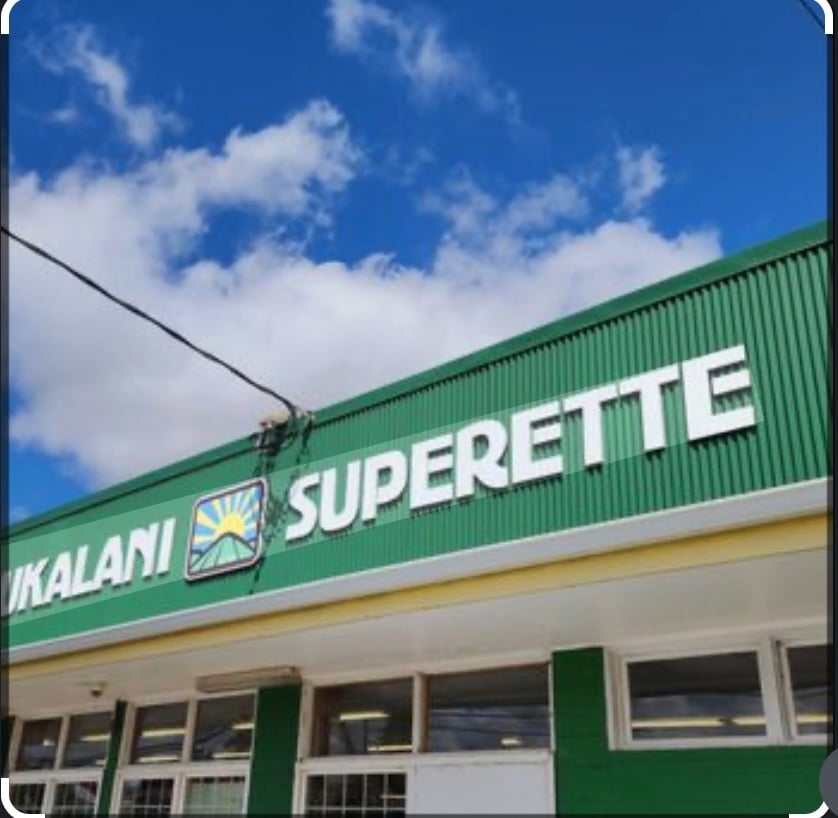
Pukalani has both Foodland and Pukalani Superette within easy reach, along with banks, restaurants, gas stations, and medical offices. The Mayor Hannibal Tavares Community Center and the Upcountry Aquatic Center - three pools, remarkable views - are local amenities that add genuine everyday value.
But the bigger point is this: Pukalani's location in the lower Upcountry band puts you closer to Central Maui than Kula or Makawao. The hospital, the airport, the big box stores - none of it requires a long haul. You are Upcountry in feel and atmosphere. You are not Upcountry in commute.
King Kekaulike High School serves the Upcountry community and is right here in Pukalani. Pukalani Elementary is nearby as well. For families comparing Upcountry communities, Pukalani's proximity to the full range of Upcountry schools - from elementary through high school - is a practical advantage that does not always get enough attention.
These three communities get compared constantly, and the differences are real.
Makawao has the historic character and the walkable town center. The rodeo culture, the galleries, the restaurants on Baldwin Avenue. If you want a pedestrian-oriented village feel with Upcountry roots you can see and touch, Makawao delivers that in a way Pukalani does not try to match.
Kula has the elevation, the quiet, and the agricultural identity. Larger parcels, cooler air, more space between you and your neighbors. If you want to feel genuinely removed - and you don't mind the drive to get anywhere - Kula rewards that choice.
Pukalani is neither of those things. It is the community that works for people who want the Upcountry atmosphere without giving up convenience, space, or neighborhood infrastructure. It is not trying to be Makawao or Kula. It is its own thing, and once you spend some time here, that starts to feel like a feature rather than a compromise.
Buyers who tend to find their way to Pukalani usually share a few things in common. They want cooler weather and a real neighborhood feel. They want to be able to run an errand without planning a trip. They want some land, some space, some birds in the morning. And they are practical enough to value good infrastructure over romantic geography.
If that sounds like you, stop passing through Pukalani on the way to somewhere else. Spend a morning there. Walk the golf course at sunrise. See what I was missing for twenty-plus years.
I am happy to show you around.
Mino McLean Island Sotheby's International Realty mauimino.com
Stay up to date on the latest real estate trends.
October 22, 2026
October 7, 2026
October 1, 2026
September 10, 2026
August 28, 2026
Agricultural land
August 20, 2026
What agricultural zoning actually permits on Maui's ag-zoned parcels, from farm dwellings to septic capacity.
Right Sizing
August 14, 2026
Architecture
July 30, 2026
Haʻikū luxury home for sale
July 21, 2026
Nuka Haiku Restaurant
Mino empowers buyers and sellers to make impactful, meaningful, informed decisions that enrich their lives for the better. Approaches each client with integrity and a sense of honesty that’s born from working in a place she’s always called home.