Central Maui Living Guide: Lifestyle, Commute, and Fit
March 24, 2026
March 24, 2026
Wondering if Central Maui fits the way you live and work? If you want quick access to everyday essentials, a reasonable commute, and a range of practical housing options, Kahului and Wailuku often make life simpler. In this guide, you will get clear drive-time ranges, a feel for local microclimates, and a checklist to test-fit neighborhoods to your routine. Let’s dive in.
Central Maui centers on Kahului and Wailuku, along with nearby communities like Maui Lani, Kehalani, Waikapū, and Maalaea. This area is the island’s commercial, transportation, and government hub with the airport, harbor, county offices, and the main hospital close by.
For many buyers, that central access matters more than beach proximity. You find a denser, mixed housing environment and shorter, more predictable trips to work, school, and services compared with Upcountry or resort areas.
You can handle most errands within minutes. Queen Kaʻahumanu Center and Maui Mall Village anchor regular shopping. Big-box options like Costco and Home Depot sit near the airport and main arterials.
Maui Memorial Medical Center in Wailuku is the primary acute-care hospital, which is a major convenience for families and healthcare professionals. University of Hawaiʻi Maui College in Kahului adds an education hub and more activity to the area.
Average commute times are a helpful baseline. Recent ACS QuickFacts show mean travel times of about 22.8 minutes in Kahului and 20.9 minutes in Wailuku. Kihei averages around 22.1 minutes, while Pukalani in Upcountry often runs closer to 28–30 minutes. Your door-to-door time will vary by route and rush hour.
Practical drive-time ranges to consider:
Main roads include Kaʻahumanu Avenue, Puunene Avenue, Dairy Road, and Hana Highway, along with dedicated airport access roads. These corridors see ongoing improvements and maintenance, which can affect reliability. When timing matters, check live navigation at the same hour you would actually commute.
Maui Bus operates Central Maui loop routes like the Wailuku Loop and Kahului Loop, plus island routes such as the Kihei Islander and West Maui Express. Central Maui transfer points are typically around Queen Kaʻahumanu Center and Kahului. Transit can work for some workers and students, but most residents still rely on a car for day-to-day travel.
Central Maui sits in the island’s central valley. Expect moderate tropical temperatures and steady trade winds. It is generally drier than windward East Maui, a bit wetter than the sunny South Maui coastline, and warmer at night than higher Upcountry neighborhoods.
If you want a very predictable sunny beach routine, South Maui often delivers. If you enjoy cooler evenings and room for gardens, Upcountry offers that feel, but with longer drives. Central Maui strikes a practical middle ground with everyday convenience.
Here are quick profiles to help you focus your search:
Each micro-area has a different feel and noise profile. Always visit at different times of day to gauge wind, traffic, and activity.
Central Maui carries a broad mix of non-resort housing. You will see older homes, modest cottages, low-rise condos, townhome communities, and newer master-planned neighborhoods. This contrasts with South Maui, where condos near the shoreline and resort amenities are common, and with Upcountry, where you find larger parcels, rural character, and cooler nights.
For quick context, the Wailuku Home Value Index on Zillow recently showed about $910,000 on a page that listed an update of February 28, 2026. Treat this as a general signal, not a quote. Small markets can swing month to month based on a few sales. For a purchase or sale decision, ask for 6 to 12 months of comparable sales from the local MLS and review the details by property type.
You may be a strong match if you:
You might look elsewhere if you:
Before you write an offer, walk through these checks for each address or complex:
Central Maui works well if you want your day to run smoothly. You get the island’s main services close to home, typical commute times near the island average, and a wide mix of full-time housing. If that balance fits your lifestyle, Central Maui deserves a closer look.
If you want help narrowing neighborhoods or testing drive times and microclimates, reach out for local guidance. For a thoughtful, no-pressure consult, connect with Mino McLean.
Stay up to date on the latest real estate trends.
October 7, 2026
October 1, 2026
September 10, 2026
August 28, 2026
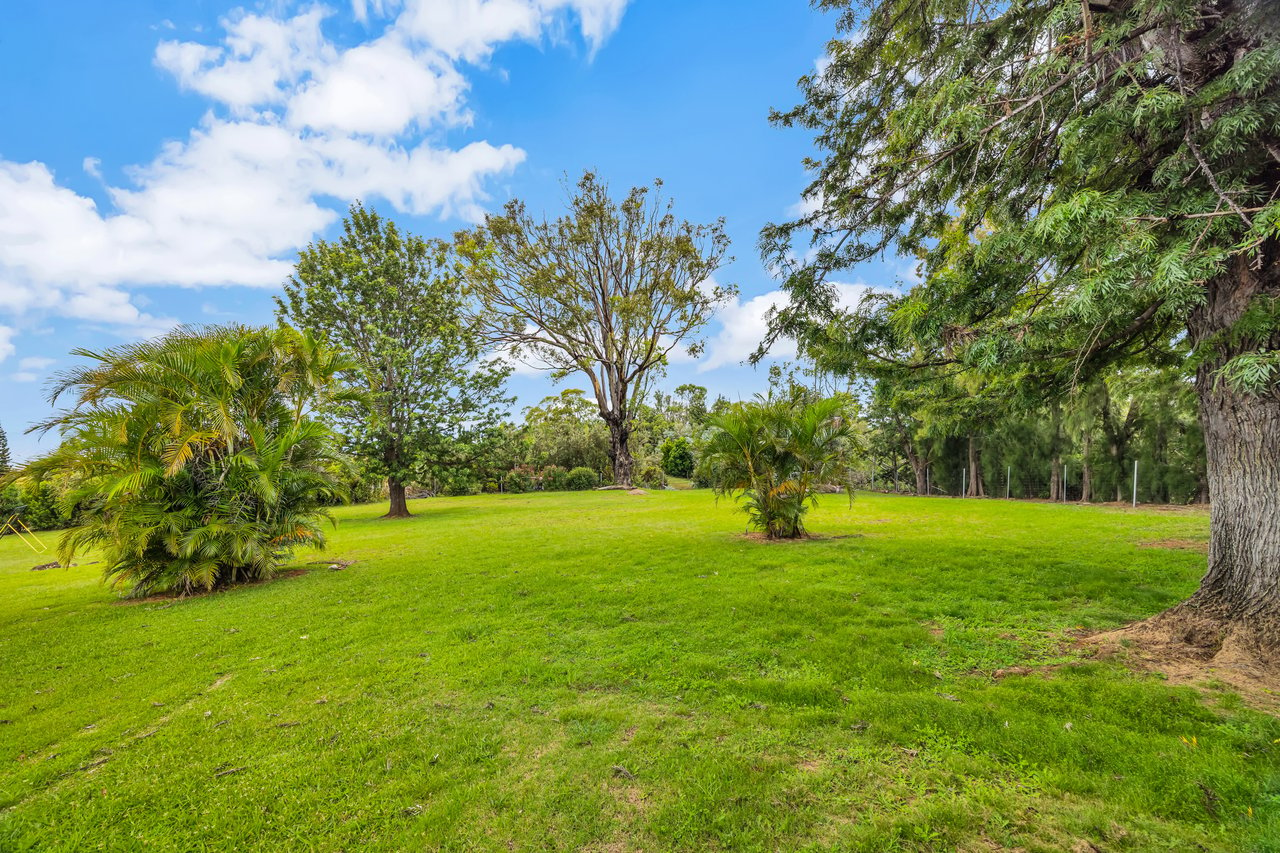
Agricultural land
August 20, 2026
What agricultural zoning actually permits on Maui's ag-zoned parcels, from farm dwellings to septic capacity.
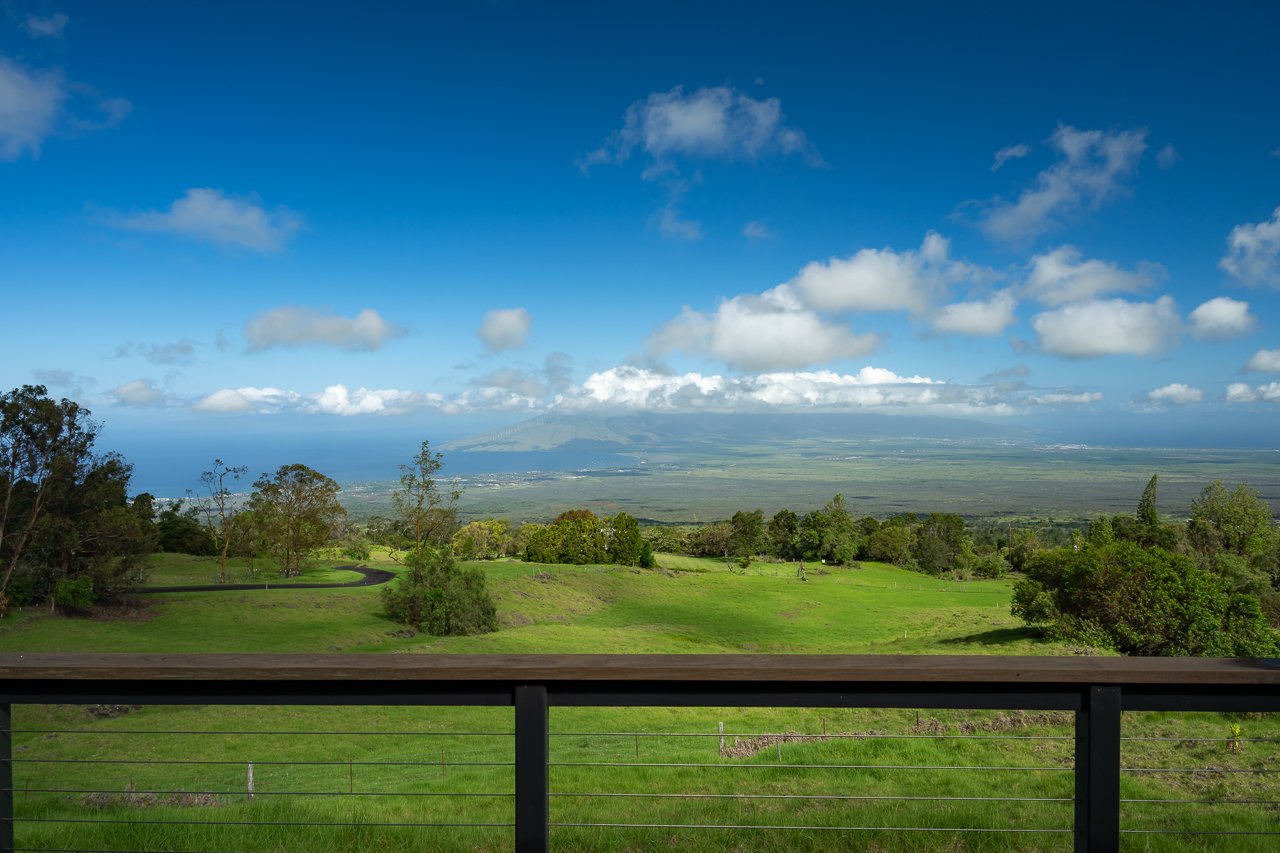
Right Sizing
August 14, 2026
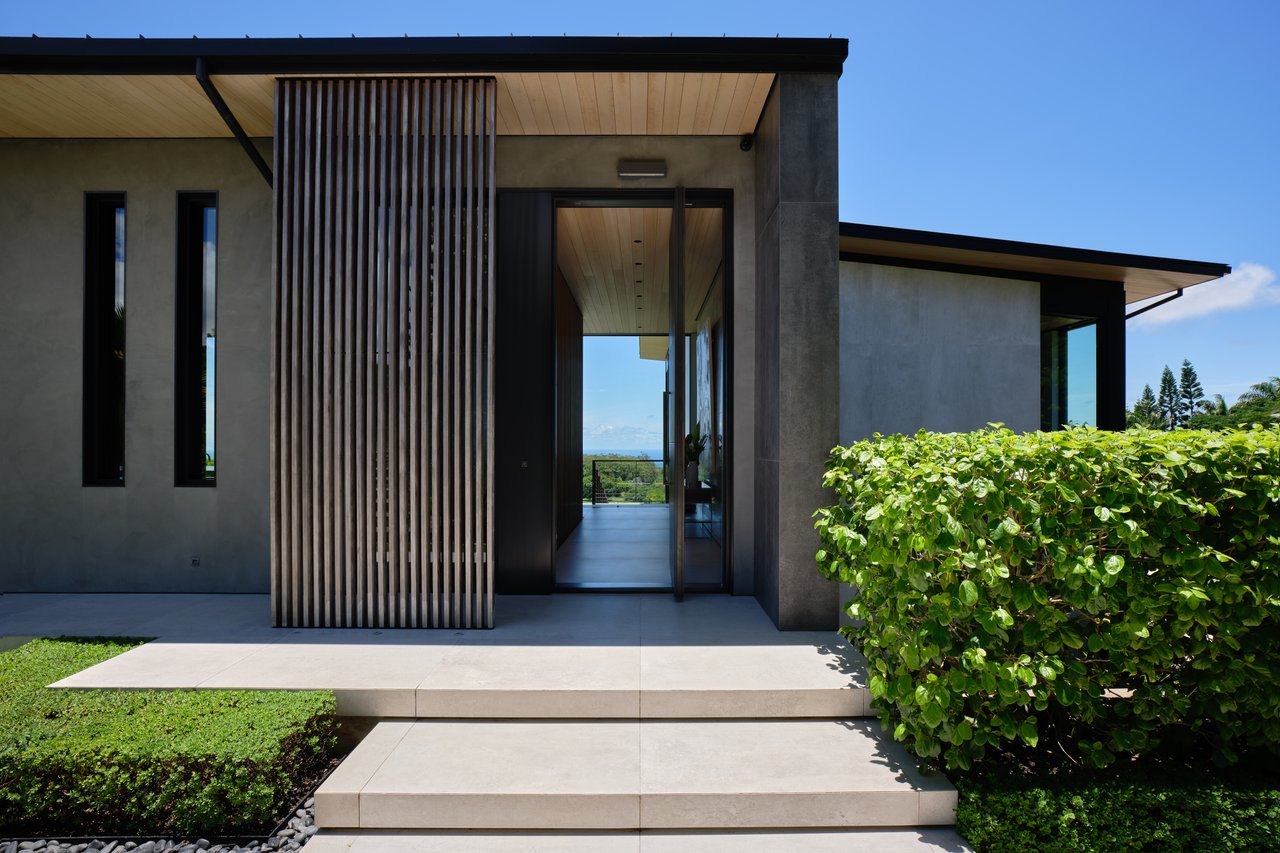
Architecture
July 30, 2026
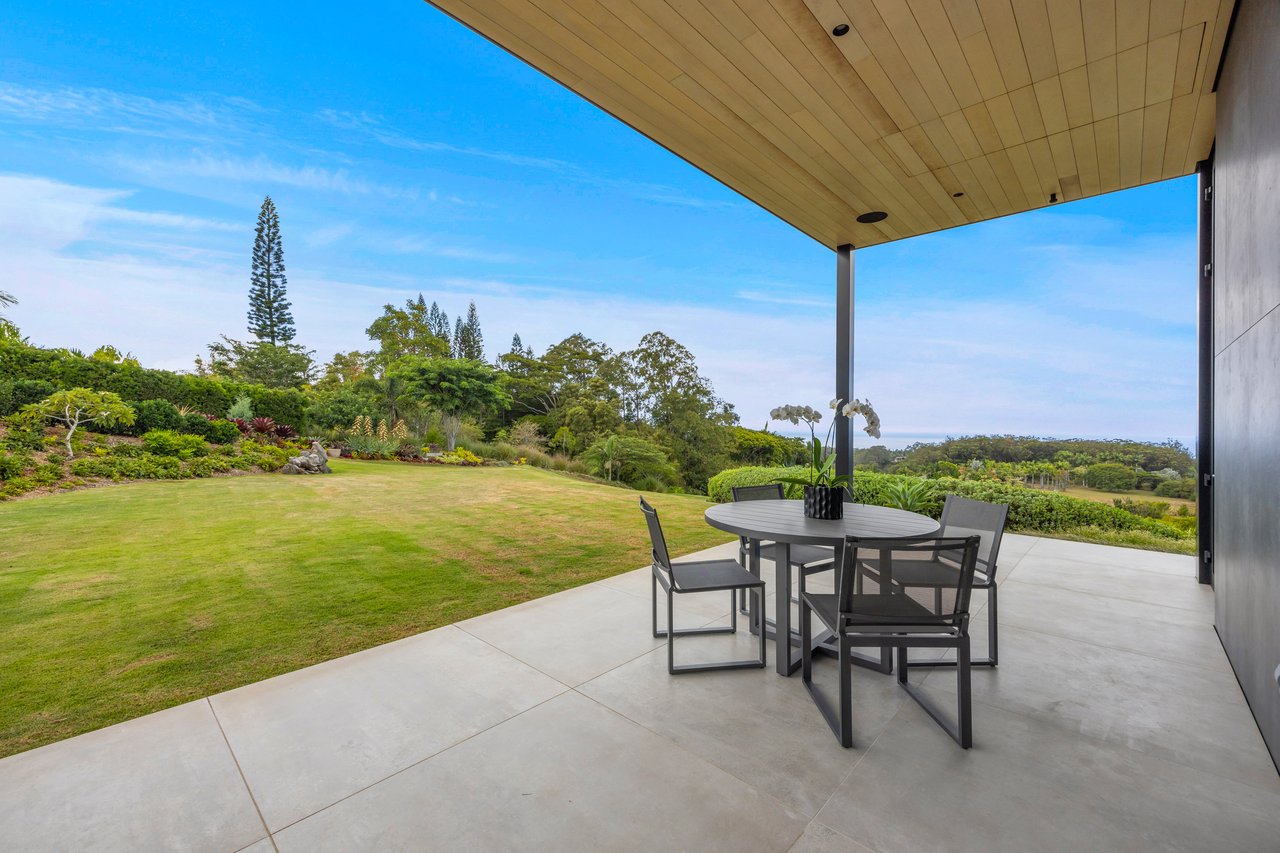
Haʻikū luxury home for sale
July 21, 2026
Nuka Haiku Restaurant
July 18, 2026
Buying a home in Upcountry or rural Maui? Here's how Hawaii's 2050 cesspool law works, what conversion costs, and how to inspect before you buy.
Mino empowers buyers and sellers to make impactful, meaningful, informed decisions that enrich their lives for the better. Approaches each client with integrity and a sense of honesty that’s born from working in a place she’s always called home.