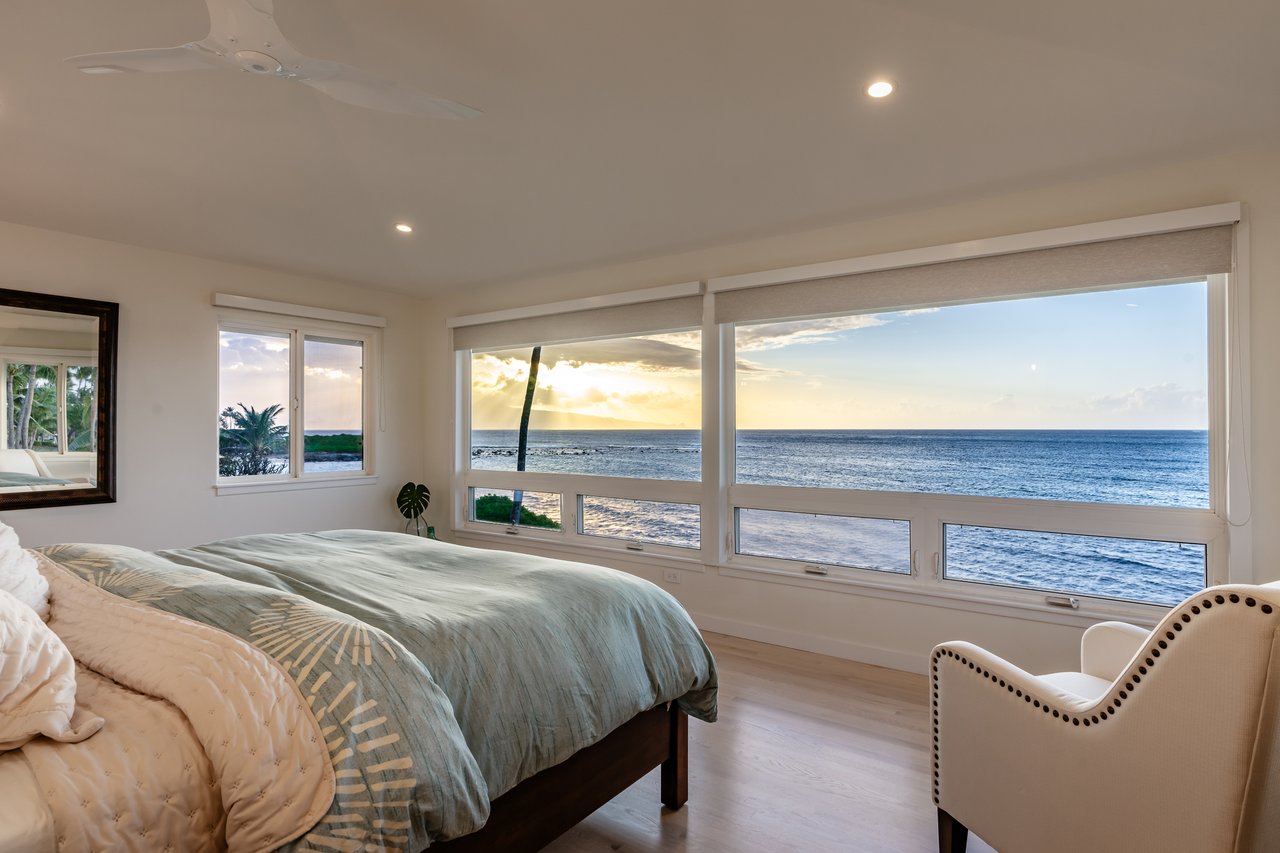
Paia vs Haiku on Maui’s North Shore: Which Fits You?
April 2, 2026
April 2, 2026
Trying to choose between Paʻia and Haʻikū? On Maui’s North Shore, those two areas can feel close on a map but very different in daily life. If you are weighing walkability, privacy, beach access, and the overall rhythm of your days, this guide will help you compare the tradeoffs with more confidence. Let’s dive in.
A simple way to think about the comparison is this: Paʻia feels like the town base, while Haʻikū feels like the country base. That framing lines up with Maui County planning materials, which describe Paʻia as the more urban part of the Paʻia-Haʻikū region and Haʻikū as the more rural one with smaller service nodes.
Paʻia is a historic North Shore town about four miles east of Kahului, according to GoHawaii’s Paʻia overview. Haʻikū, by contrast, is shaped more by dispersed residential areas, agricultural land, and small neighborhood hubs than by a single compact downtown, based on Maui County’s community plan.
Paʻia is the better fit if you want a classic North Shore town atmosphere with a compact core and quick access to beach activity. County documents place the commercial center at Hāna Highway and Baldwin Avenue, with surrounding residential pockets clustered near town, toward Kuʻau, and up Baldwin Avenue.
That layout gives Paʻia a more connected, main-street feel than many other Maui areas. You are closer to the kinds of places people use regularly, whether that means grabbing a meal, heading toward the beach, or taking care of simple errands.
One reason Paʻia feels so distinct is its physical design. A county traffic study notes a 20 mph speed limit through town, sidewalks along parts of Hāna Highway and Baldwin Avenue, on-street parking, and frequent pedestrian crossings at the main intersection.
In real life, that means Paʻia supports a more walkable, foot-traffic-oriented lifestyle. If you like being able to spend part of your day on foot and enjoy a true town center, Paʻia stands out on the North Shore.
Paʻia’s identity is strongly tied to the coast. GoHawaii highlights the area’s surf-town character, while Maui County identifies Baldwin Beach Park as one of the largest and most heavily used beach parks on the North Shore.
You also have access to places like Hoʻokipa Beach and Baldwin Beach Park as part of the area’s everyday appeal. For many buyers, that beach-town energy is a major reason Paʻia rises to the top of the list.
The same features that make Paʻia lively can also make it feel busier. The county’s traffic analysis points to stop-and-go conditions, active pedestrian crossings, and parking pressure in the core.
So if you choose Paʻia, you are often choosing convenience and character over extra elbow room. That is not a drawback for everyone, but it is an important part of the lifestyle equation.
Haʻikū is usually the stronger match if you want more space, more privacy, and a setting that feels more rural. Maui County describes Haʻikū as an area with small urban nodes at Kuiaha, Haʻikū, and Pāʻuwela that serve broader rural and agricultural surroundings.
Instead of one compact commercial center, Haʻikū works more like a network of small hubs connected by the roadways you use every day. That shapes both the housing pattern and the pace of life.
County planning documents say much of Haʻikū’s residential growth has taken place on agricultural lands. A newer hazard mitigation summary also describes the area as more rural than Paʻia, with small-scale development, gentleman farms, and diversified agriculture.
For buyers, that often translates into a more dispersed feel. If your priority is breathing room, a quieter setting, and a property experience that feels less centered on a town core, Haʻikū tends to deliver that more clearly than Paʻia.
Haʻikū still has practical services, but they are arranged differently. The Haʻikū Park and Community Center includes a community center, police office, public health nurse office, parking, restrooms, sports fields, and free Wi-Fi, making it an important civic hub.
That said, Haʻikū does not function like a dense downtown. Daily routines are often built around driving between neighborhood nodes, community spaces, and nearby service stops.
County transit planning shows how Haʻikū connects outward. Route 35 links Haʻikū with Paʻia, Kahului, Maui Mall, Walmart, Safeway, the County Service Center, and Kahului Airport, and includes stops such as Haʻikū Marketplace and Paʻia Town.
That route is useful context because it reflects the area’s real geography of errands and movement. Haʻikū is connected, but it is generally more corridor-based and car-oriented than Paʻia.
If you are deciding between Paʻia and Haʻikū, the clearest answer usually comes down to how you want your days to feel. Both are on the North Shore, but they support very different routines.
Here is a simple comparison:
| Lifestyle Priority | Paʻia | Haʻikū |
|---|---|---|
| Town feel | Stronger | Lighter |
| Walkable core | More available | Limited |
| Beach-town energy | Stronger | More indirect |
| Privacy and space | More limited | More available |
| Housing pattern | Clustered near town areas | More dispersed and rural |
| Errands | Easier to combine near town | Usually spread out |
| Traffic and parking | More noticeable in the core | Less town congestion, more driving |
This is why many buyers connect with one area quickly once they think beyond the map. The right fit is often less about distance and more about lifestyle rhythm.
Paʻia often appeals to buyers who want a historic surf-town setting and a more active street scene. If you enjoy being near beaches, local services, and a compact main street, Paʻia may feel more intuitive.
It can also work well if you value shorter trips for day-to-day activities and like the idea of a neighborhood with visible foot traffic and civic amenities. The Paʻia Community Center, with parking, restrooms, a neighborhood police office, and a Department of Health nurse office, is one example of the kind of practical service anchor available in town.
Haʻikū often appeals to buyers who want a quieter home base and a more rural setting. If you are looking for privacy, a land-oriented environment, and a lifestyle less centered on a busy commercial core, Haʻikū may be the stronger match.
It can also suit buyers who do not mind driving as part of daily life and prefer the feeling of being tucked into a broader countryside setting. GoHawaii’s Hamakua/Haʻikū itinerary reflects that pattern, with local stops spread across the area rather than concentrated in one dense center.
When clients compare these two North Shore lifestyles, we usually suggest focusing on your habits before your home search filters. Start with the question of how you want to move through a normal week.
Ask yourself:
Those answers often clarify the decision faster than square footage alone. Once you know your preferred rhythm, the right micro-market usually becomes much easier to identify.
On Maui, two areas can sit within the same region and still live very differently from day to day. That is exactly the case with Paʻia and Haʻikū.
If you want help narrowing down which North Shore setting best fits your goals, Mino McLean can help you compare lifestyle, location, and property options with clear local guidance and a personalized approach.
Stay up to date on the latest real estate trends.
October 7, 2026
October 1, 2026

September 10, 2026
August 28, 2026
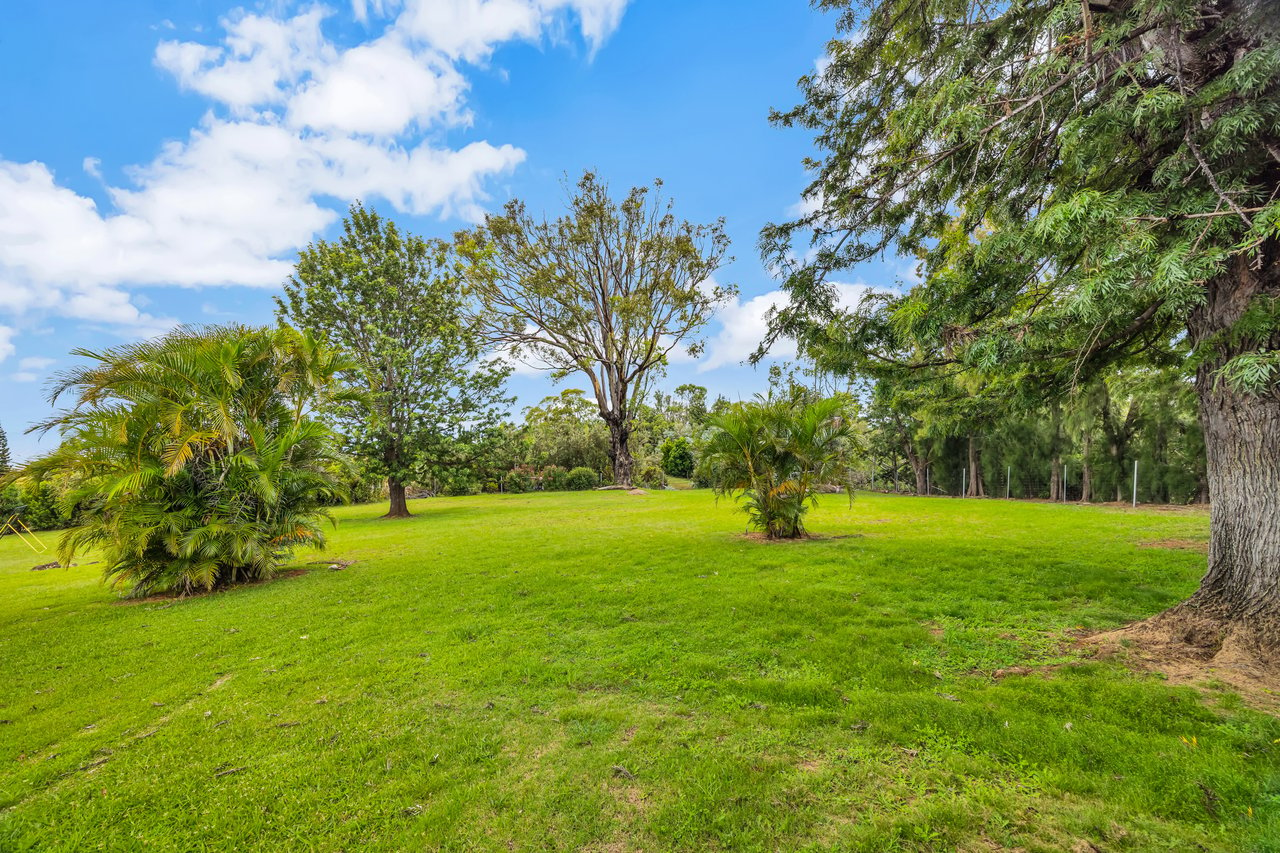
Agricultural land
August 20, 2026
What agricultural zoning actually permits on Maui's ag-zoned parcels, from farm dwellings to septic capacity.
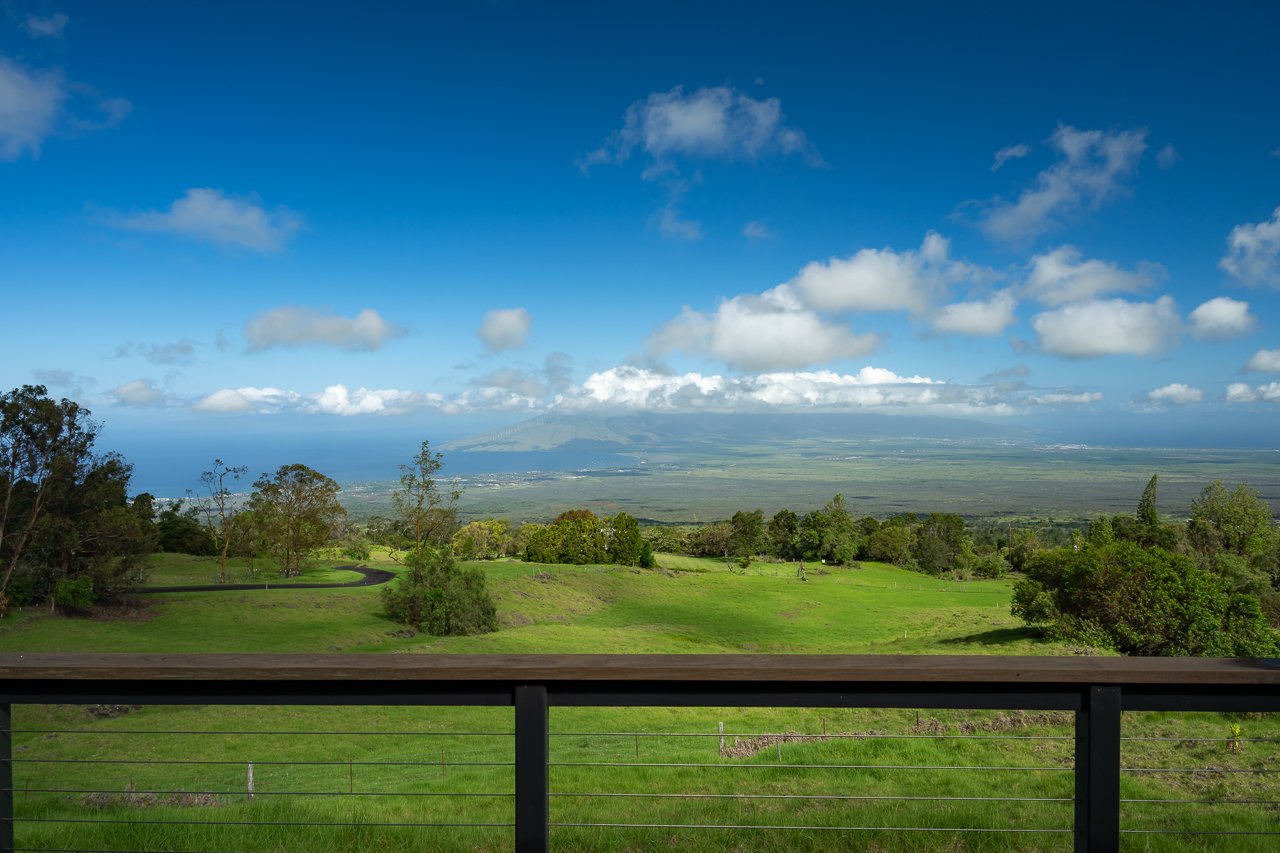
Right Sizing
August 14, 2026
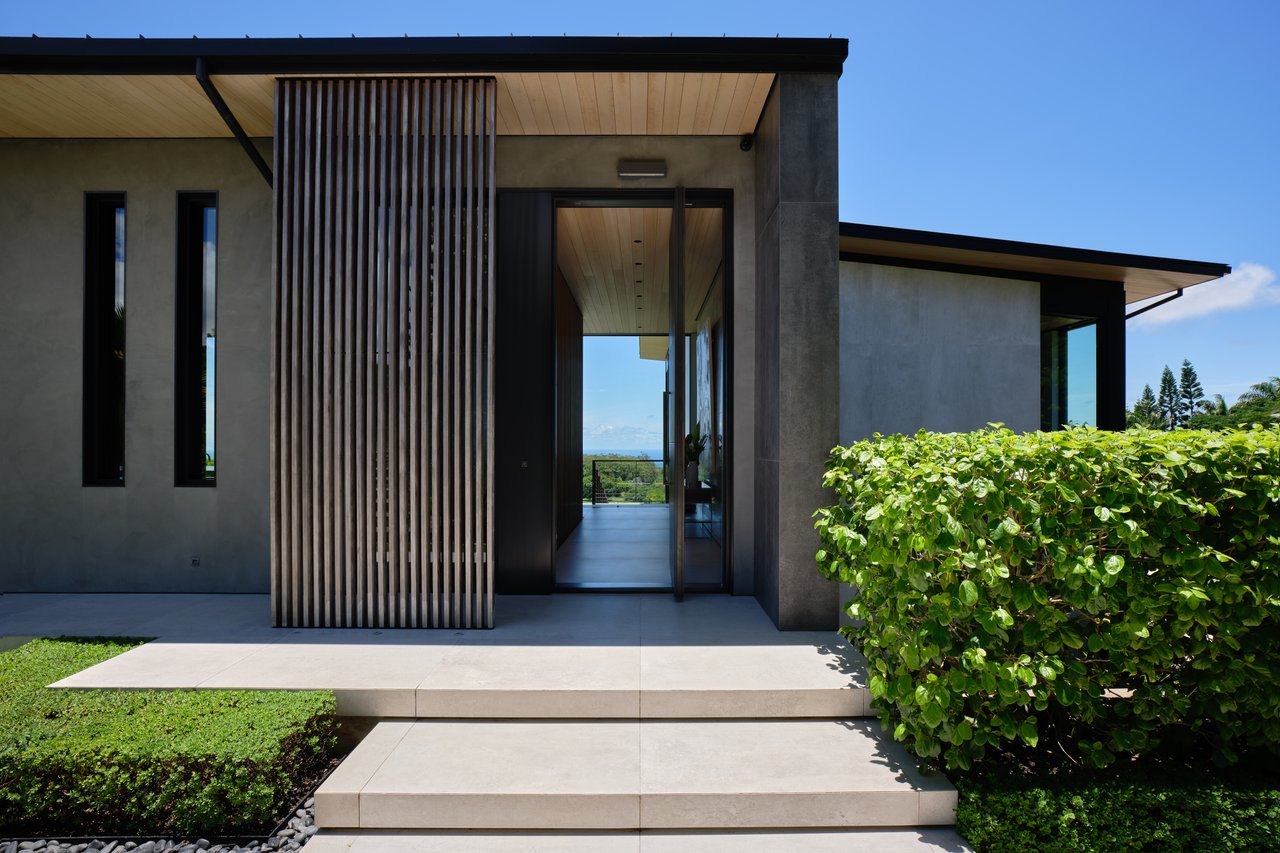
Architecture
July 30, 2026
Haʻikū luxury home for sale
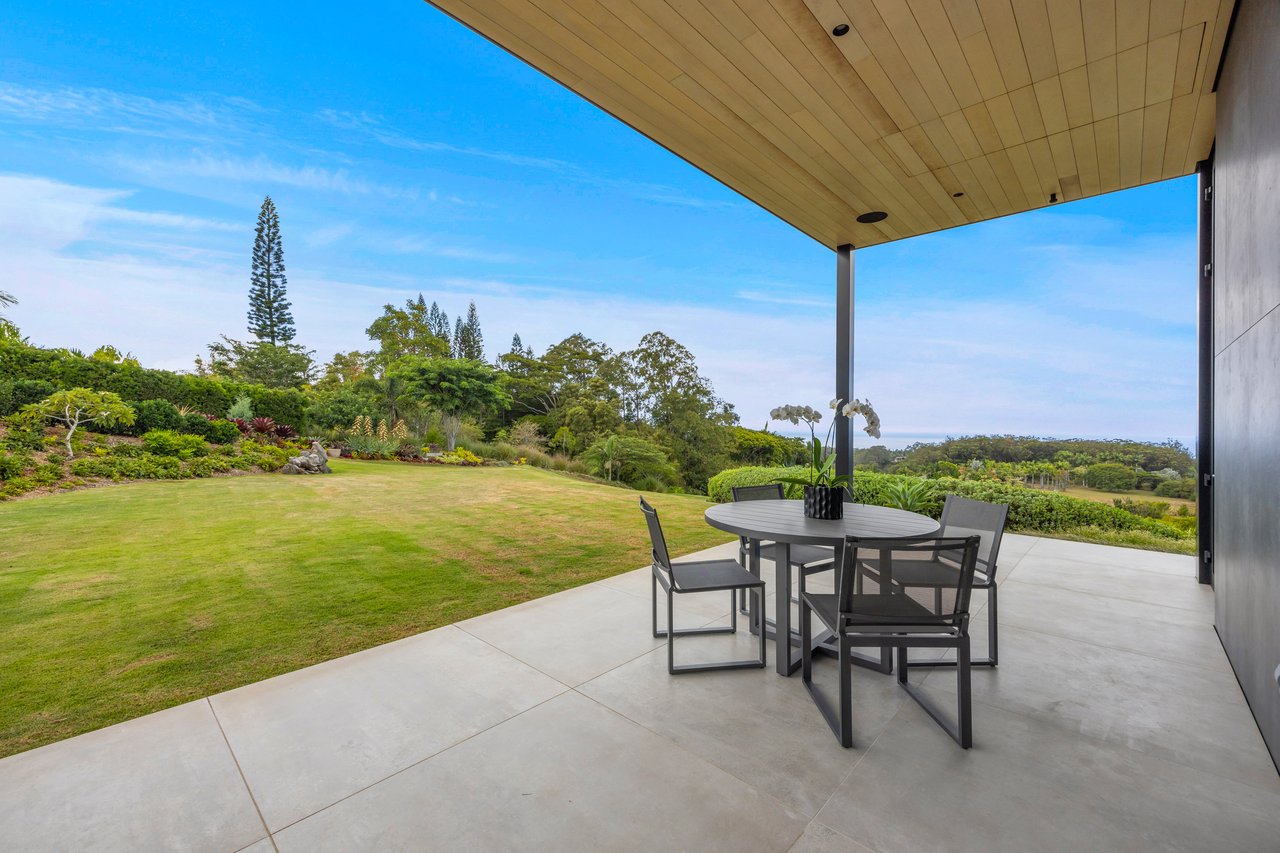
July 21, 2026
Nuka Haiku Restaurant
July 18, 2026
Buying a home in Upcountry or rural Maui? Here's how Hawaii's 2050 cesspool law works, what conversion costs, and how to inspect before you buy.
Mino empowers buyers and sellers to make impactful, meaningful, informed decisions that enrich their lives for the better. Approaches each client with integrity and a sense of honesty that’s born from working in a place she’s always called home.