Airflow, "Dry-Ku", and the Real Story on Haiku: A North Shore Buyer's Guide
July 9, 2026
July 9, 2026
If you have ever driven through Haiku and thought the weather felt completely different from one turn to the next, you are not imagining it.
Haiku provides an ever-changing weather landscape. Any given day can bring rain, sun, clouds, and stillness -- sometimes all before noon. That is not a quirk. It is the nature of this place, and it is one of the things that makes Haiku unlike anywhere else on Maui.
It is also one of the most important things to understand before you buy here.
When I walk a property in Haiku with a buyer, the first thing I point out is airflow. Not the view, not the square footage -- airflow.
Haiku is a moist environment. That moisture is exactly why people love it. Desert climate refugees come here and feel like they can finally breathe. Farmers move here and discover they rarely need to irrigate. The land is generous and green and alive in a way that drier parts of Maui simply are not.
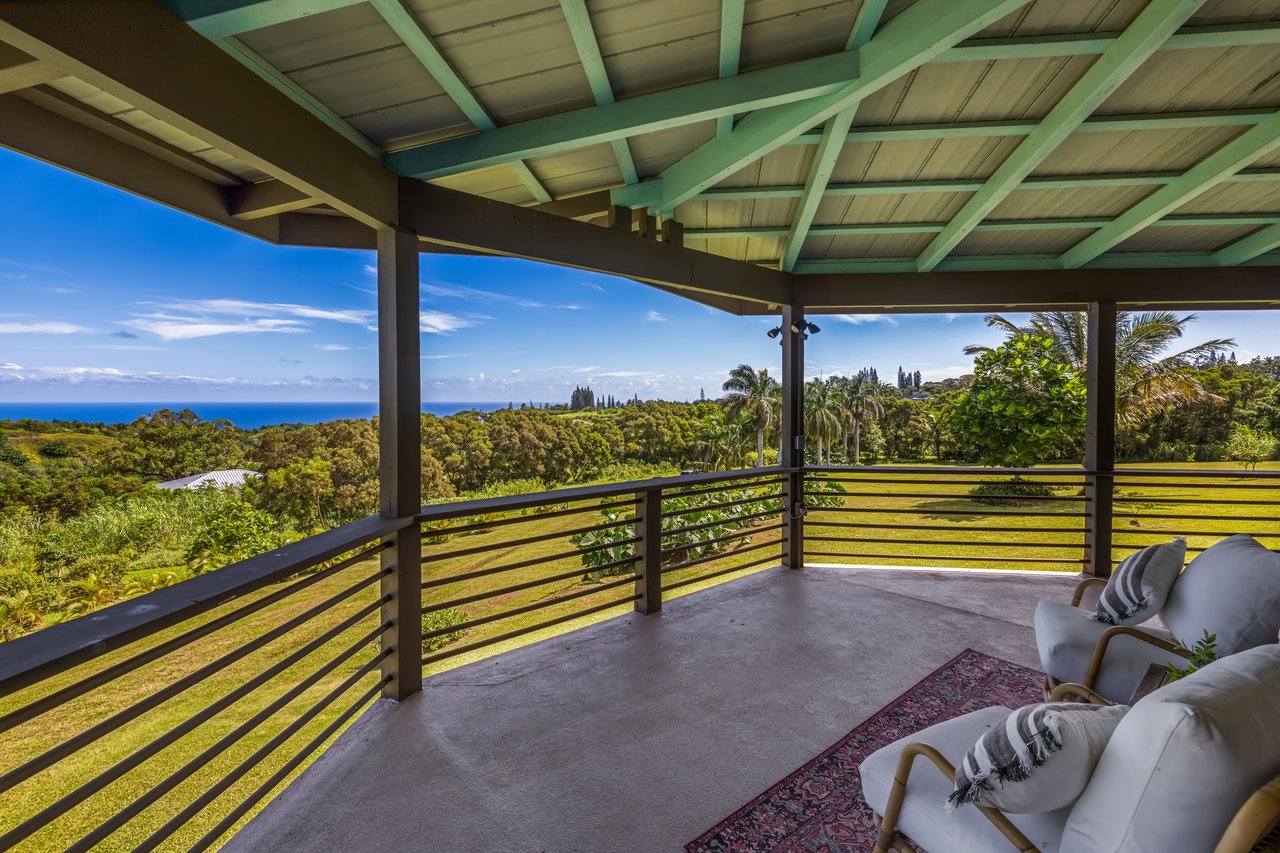
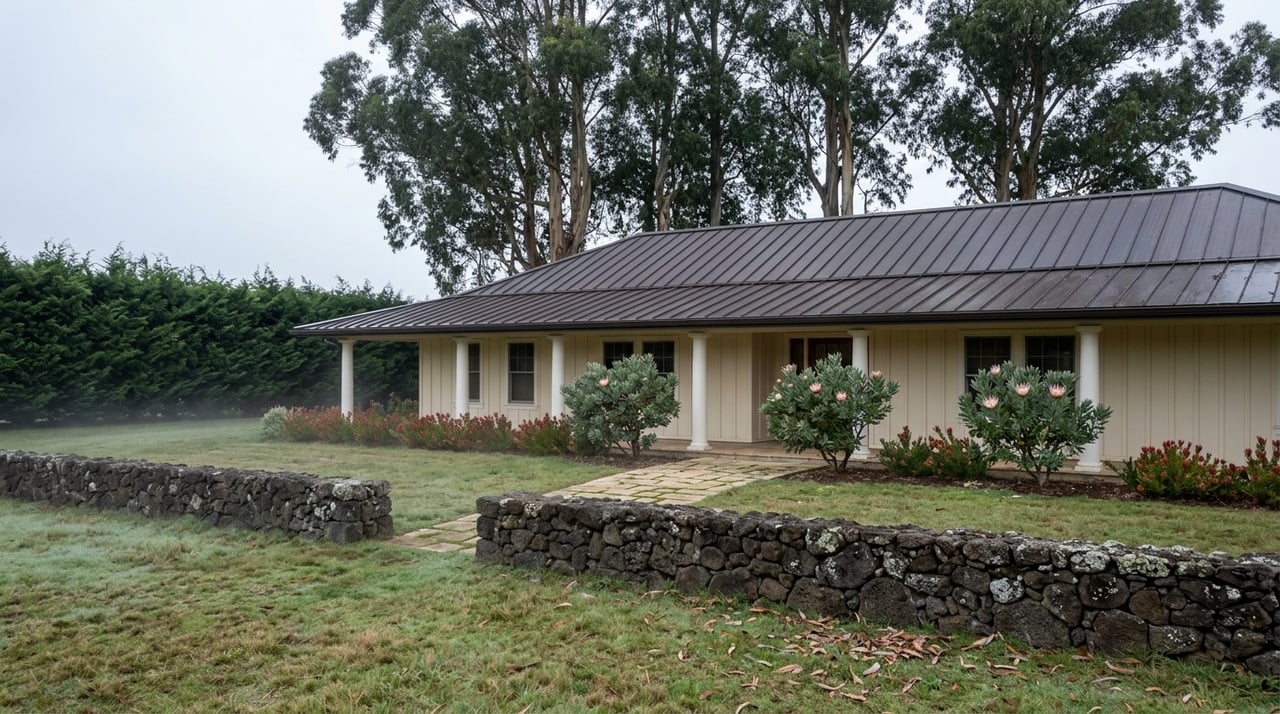
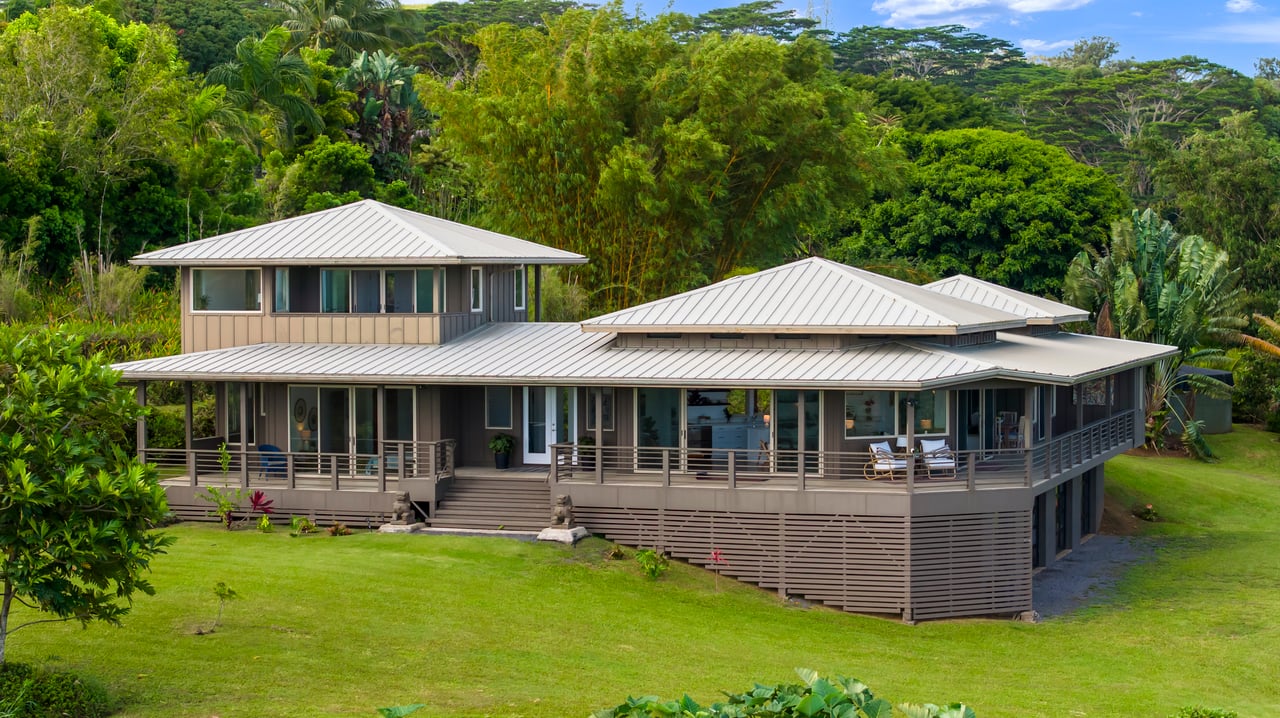
But moisture without airflow creates problems. A home that is not properly constructed or maintained in Haiku will show it -- in the walls, in the closets, in the materials over time. The best Haiku properties are built with this in mind: quality construction, generous roof overhangs on the windward side to manage rain exposure, landscaping kept away from the exterior of the home, and ideally a fenced property that gives you control over the land immediately around the house.
When you are touring a Haiku property, you are not just evaluating the house. You are evaluating how well it has been designed and maintained for the environment it lives in.
Haiku is a large zip code and the differences within it are real and meaningful.
The upper Haiku area around Awalau Road is the wettest part. If you want maximum lushness, dense vegetation, and that deep jungle feeling, that is where you find it. It is also the most demanding environment for home maintenance.
South of Kauhikoa Road is what locals refer to as "Dry Ku." Less rainfall, a bit more sun, a slightly more manageable daily environment while still offering everything that draws people to Haiku in the first place. For buyers who love the North Shore lifestyle but want a little more brightness day to day, this part of town deserves a close look.
Haliimalile provides a useful geographic reference point as well. For buyers who care about commute times and proximity to schools or work, the part of Haiku you choose within that large zip code matters considerably. Traveling the Hana Highway during high surf or typical commute hours adds time that some buyers underestimate when they fall in love with a property that sits further along the road.
The clients I have seen fall most in love with Haiku long term tend to share a few things in common.
They often come from desert climates or spend most of their time in drier environments. The moisture in the air is something they actively crave, not something they tolerate. They want to feel the difference when they step outside.
They love to grow things. Haiku is extraordinarily generous for anyone who wants to cultivate land. Food gardens, fruit trees, tropical plants -- the environment does a lot of the work for you. Irrigation is rarely the issue it is elsewhere on the island.
They want privacy and space. At the upper end of the market, Haiku offers a combination of acreage, airflow, and seclusion that is genuinely hard to find anywhere else on Maui. The sense of removal from the rest of the island -- while still being a reasonable drive from Paia, Upcountry, and Kahului -- is a real and lasting quality of life advantage.
Construction quality is the single most important factor in a Haiku property's long-term value. A well-built home designed for the windward environment -- with proper overhangs, good drainage, maintained landscaping, and sound materials -- holds up and holds value. A home that has fought the environment rather than worked with it tells that story over time in ways that affect both livability and resale.
When I evaluate a Haiku property, I am looking at how the home sits on the land, how the roof handles rain on the windward side, whether the landscaping is pulling moisture against the structure, and whether the property has been cared for with the climate in mind. Those details matter more here than almost anywhere else on Maui.
Space. Airflow. Privacy like few other places on the island. Land that rewards people who want to use it. A North Shore lifestyle that feels genuinely removed from the tourist circuit while remaining connected to everything that makes Maui worth living on.
If you are drawn to Haiku and want a straight read on specific properties, locations within the zip code, and what the land is actually telling you -- that is exactly the conversation I enjoy having.
Mino McLean Island Sotheby's International Realty mauimino.com
Stay up to date on the latest real estate trends.
September 3, 2026
August 28, 2026
Agricultural land
August 20, 2026
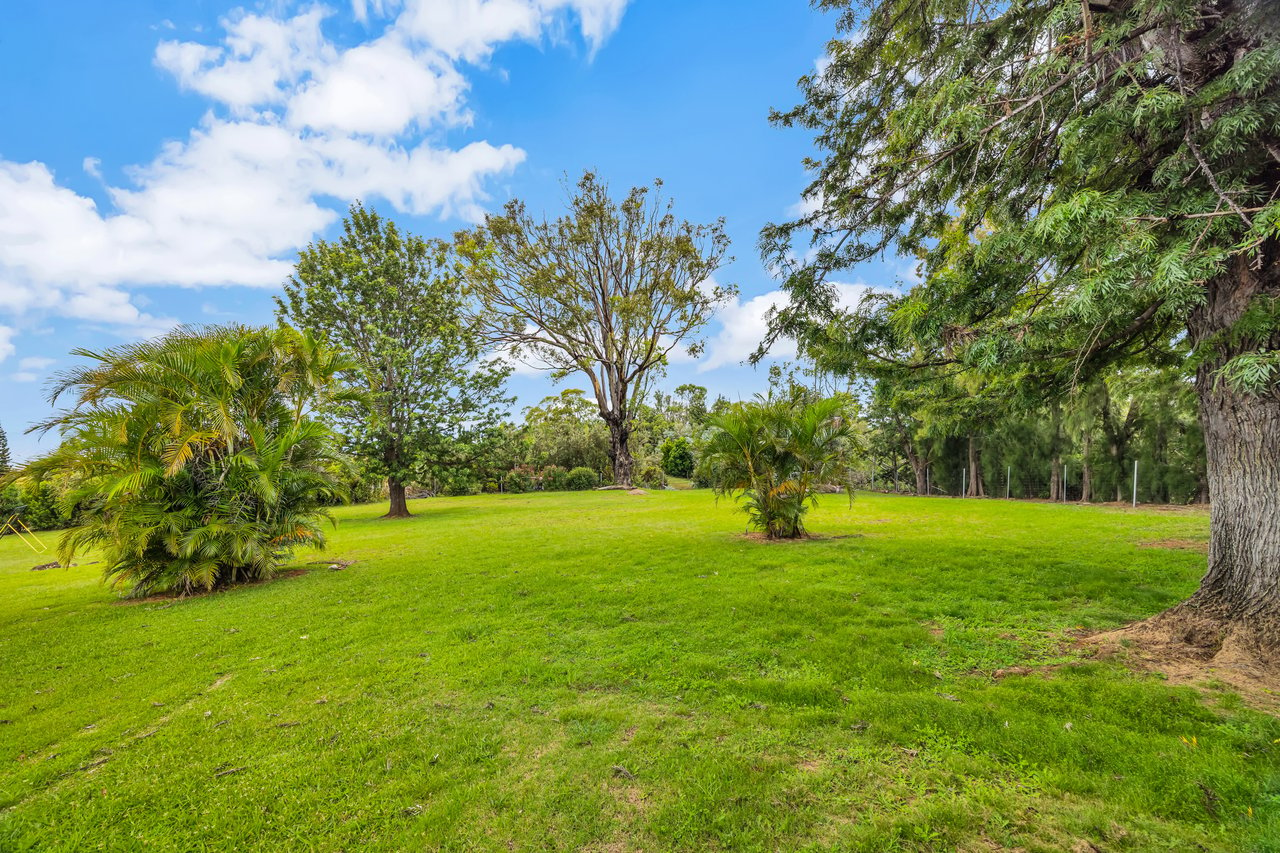
What agricultural zoning actually permits on Maui's ag-zoned parcels, from farm dwellings to septic capacity.
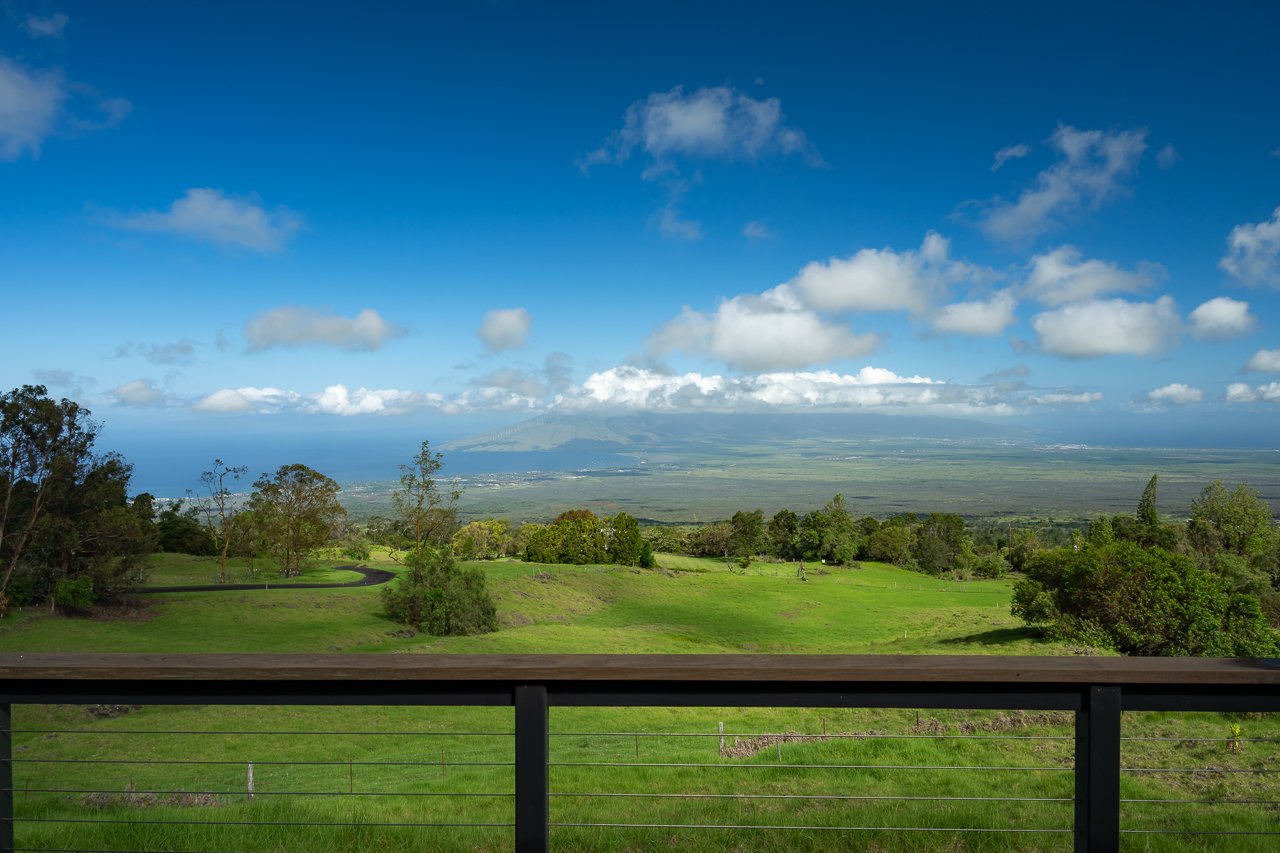
Right Sizing
August 14, 2026
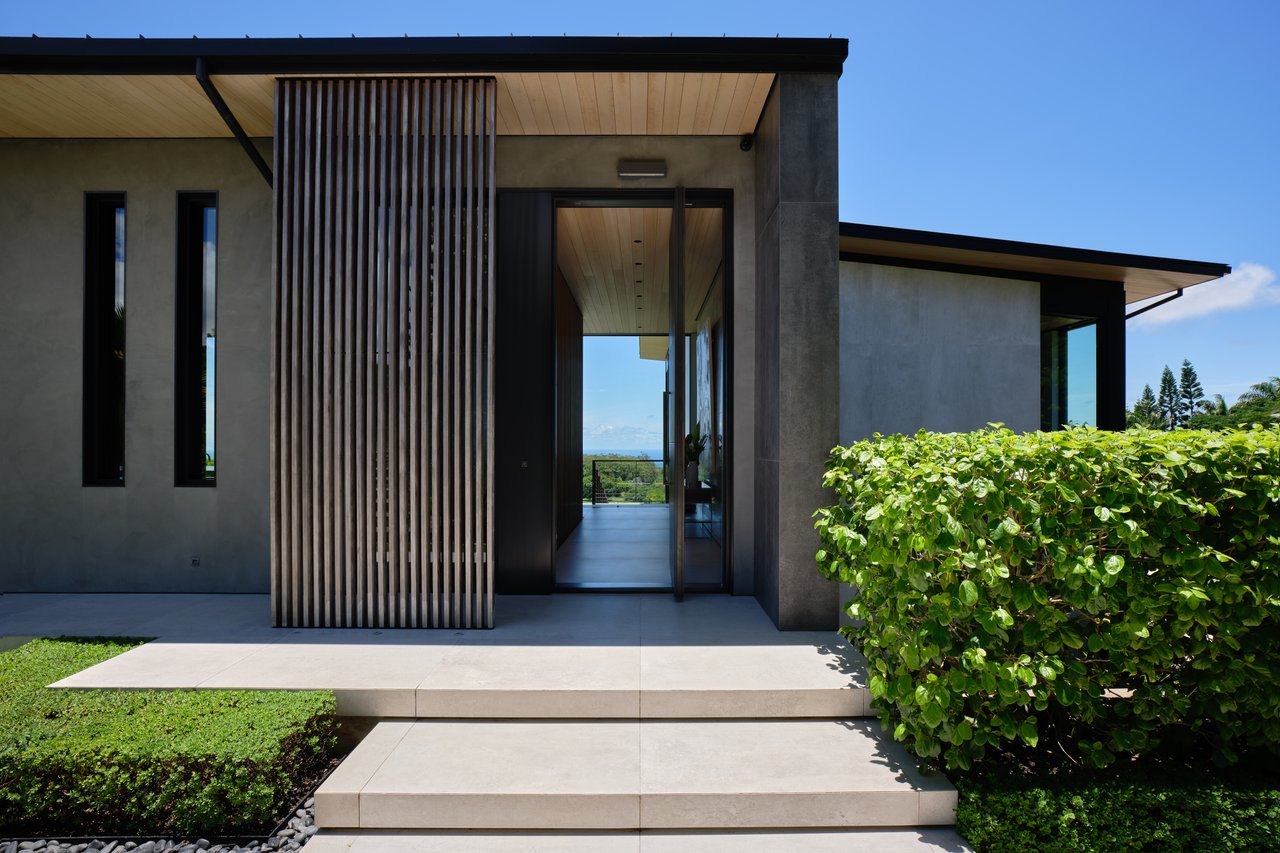
Architecture
July 30, 2026
Haʻikū luxury home for sale
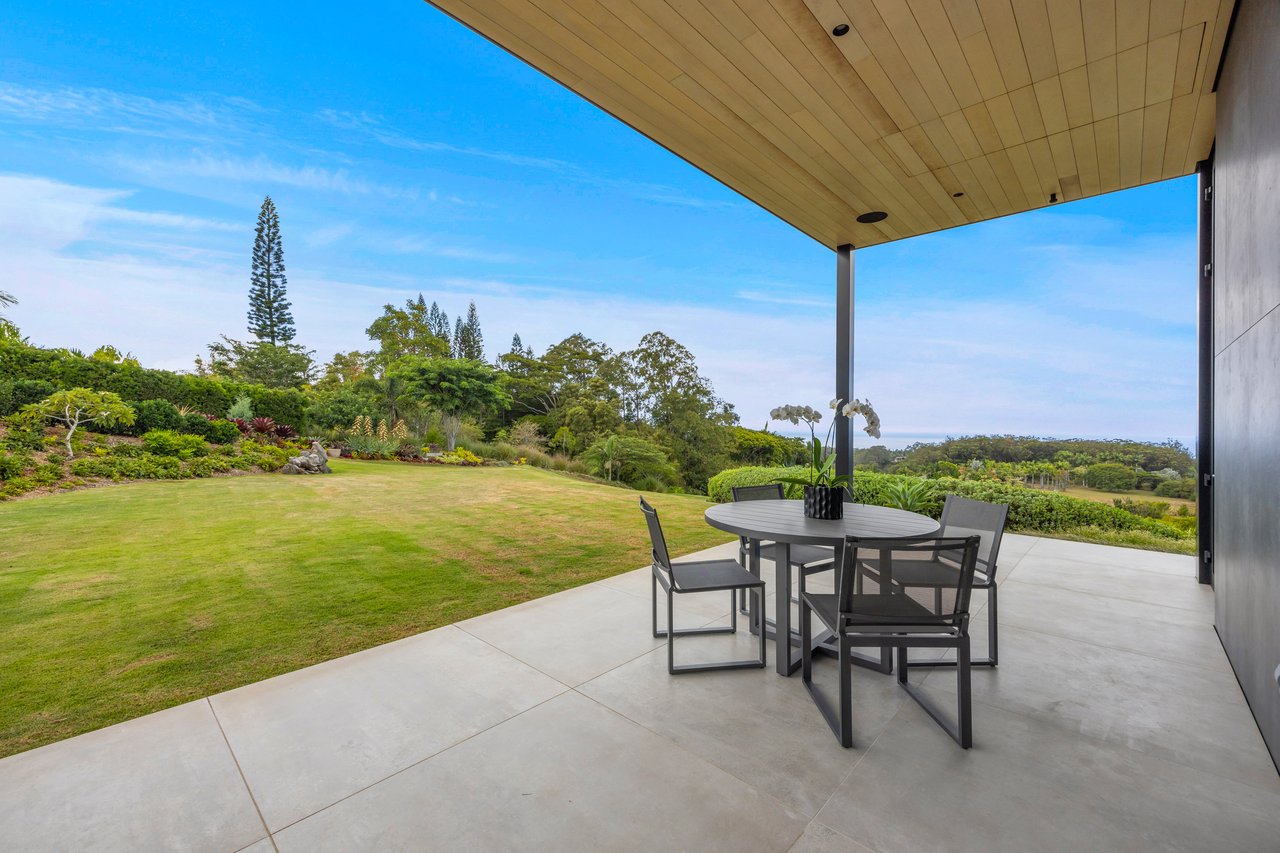
July 21, 2026
Nuka Haiku Restaurant
July 18, 2026
Buying a home in Upcountry or rural Maui? Here's how Hawaii's 2050 cesspool law works, what conversion costs, and how to inspect before you buy.
July 14, 2026
What you need to know when considering catchment
July 9, 2026
Mino empowers buyers and sellers to make impactful, meaningful, informed decisions that enrich their lives for the better. Approaches each client with integrity and a sense of honesty that’s born from working in a place she’s always called home.