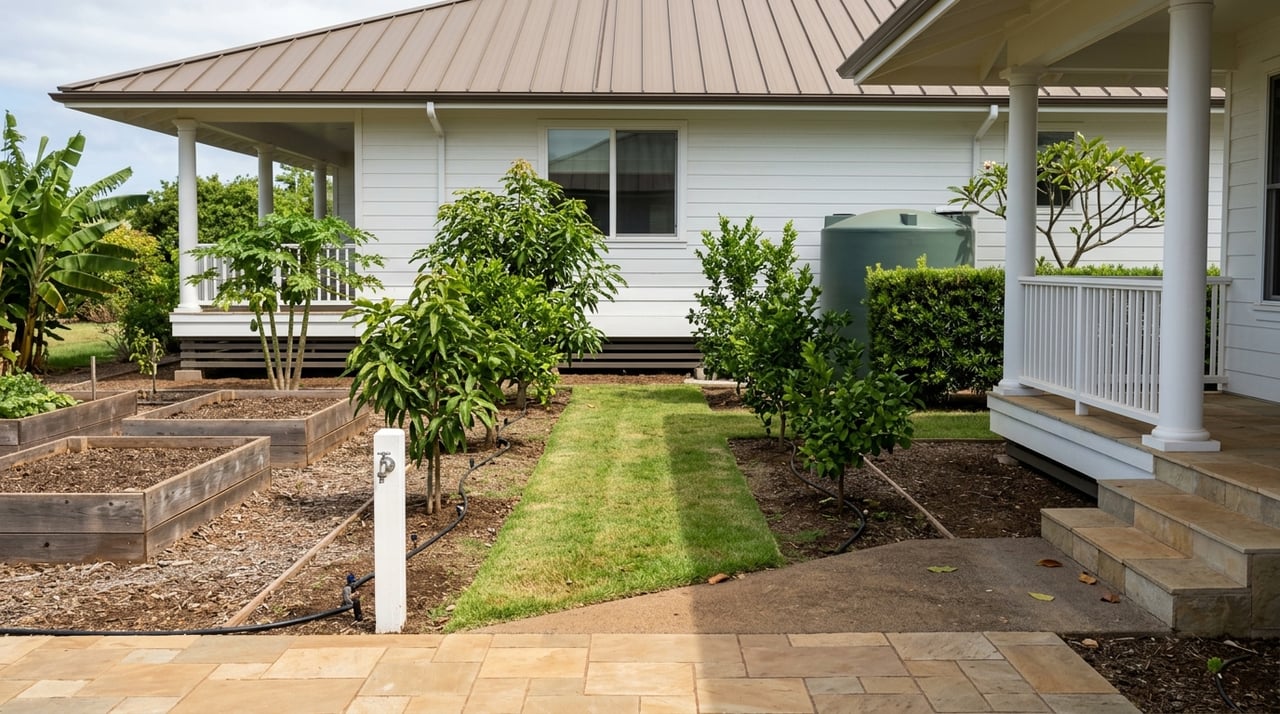
Dreaming Of A Kula Hobby Farm? Start Here
May 14, 2026
May 14, 2026
If you have ever pictured yourself picking fruit in the morning, tending a small orchard, or keeping a few animals with Haleakalā in the background, Kula can feel like the dream. But a hobby farm here is not just about finding pretty land. It is about matching your vision to Maui County rules, water realities, and the day-to-day work of caring for agricultural property. Let’s dive in.
Kula is more than a scenic Upcountry address. State and county information show it is part of a real agricultural landscape, with a long history of farming in a dry-land environment. That history helps explain why Kula often attracts buyers who want space for orchards, gardens, nursery uses, or small livestock.
Maui County also continues to support agriculture in the area. The county-run Kula Agricultural Park includes 31 farm lots across 445 acres with 26 farmers growing crops such as Kula onions, vegetables, turf grass, nursery products, flowers, bananas, and dryland taro. That tells you Kula is not simply rural in appearance. It is an active production area where agriculture still matters.
One of the biggest mistakes buyers make is assuming any larger parcel will work for a hobby farm. In Kula, the better approach is to start with the parcel’s zoning, dimensions, existing improvements, and water setup before you get attached to a specific use. A beautiful property may still have limits that shape what you can realistically do.
Maui County’s agricultural district has specific standards. These include a minimum lot area of 2 acres, a minimum lot width of 200 feet, 25-foot front setbacks, and 15-foot side and rear setbacks. The county also limits developable area for farm dwellings to 10%, while noting that structures that support agriculture, like barns, greenhouses, storage facilities, farm labor dwellings, and stables, are treated differently.
This is one of the most important points for buyers in Kula. Maui County states that residential use is not allowed in the agricultural district unless the home is a farm dwelling. In plain terms, that means a single-family dwelling located on and used in connection with a farm.
That distinction matters if you are imagining a country home with only light gardening around it. County guidance makes clear that actual agricultural use is the key, not just the appearance of open land. If your goal is to live on ag land, you will want to understand how the property’s current use and your planned use fit that farm-dwelling framework.
A Kula hobby farm can absolutely be small in scale, but it still needs purpose and upkeep. Maui County distinguishes between animal and livestock raising and small-scale animal-keeping. Small-scale animal-keeping can include domestic, noncommercial keeping of goats, chickens, horses, cows, sheep, and similar animals in agricultural and rural districts.
What that means for you is simple. You should not assume that acreage alone answers the question of what is allowed. The parcel’s exact zoning and your intended use both matter, especially if your plan includes animals, structures, or selling anything grown on the property.
Some buyers hope to offset costs by selling fruit, eggs, flowers, or vegetables. That can be part of the appeal, but Maui County expects real agricultural use, not just a landscaped homesite. County tax guidance says agricultural use must involve actual cultivation and visible farm management, such as pruning, plowing, fencing, water facilities, and pasturing animals.
The county also notes that ornamental home landscaping does not qualify as agriculture. If you are thinking about a farm stand or any kind of on-site sales, county rules may also require that the operation be tied to active production. Larger agricultural stands or farmers’ markets can trigger special use permits.
In Kula, water is not a side note. It can be one of the main factors that determines whether a property feels manageable or stressful. Upcountry Maui’s water system includes Upper and Lower Kula, and Maui County states that water shortages can be declared during drought, mechanical failure, natural disasters, or other supply problems.
Under a Stage 1 shortage, irrigation can be limited to two days per week. The county also publishes separate agricultural water rates and water-shortage rates. For a buyer considering orchards, gardens, pasture, or livestock, that means irrigation planning should be part of the buying conversation from the start.
Kula’s agricultural appeal comes with a responsibility to care for the land thoughtfully. State information describes the district as open country and dry land, and notes a historical scarcity of natural water supplies. The same state materials reference ongoing firebreak and fuelbreak maintenance in the Kula Forest Reserve area.
For you as a buyer, this translates into practical questions. How will you irrigate? What kind of planting suits the site? How much ongoing brush control, fire-aware maintenance, and land management will the property require? A hobby farm in Kula is often as much a stewardship project as it is a lifestyle choice.
The land may be the headline, but operating costs are part of the story. Maui County’s agriculture department identifies affordable irrigation water, high production costs, and market access as key challenges for agriculture on Maui. Even on a smaller property, those factors can affect your monthly budget and your long-term enjoyment.
Before you buy, it helps to think through the basics:
When buyers plan for these details early, they tend to make better choices about parcel size, improvements, and how ambitious their farming goals should be.
While farming in Kula comes with challenges, there is also a real local market network. Maui County’s agriculture resource directory lists the Upcountry Farmers Market and the Wednesday Farmers Market at Kulamalu Town Center. The market operator describes the Upcountry Farmers Market as a Saturday market at Kula Malu Town Center serving the Pukalani and Kula area.
Shoppers there can find locally grown produce, fish, flowers, plants, coffee, and prepared foods. For hobby-farm buyers, this does not guarantee an easy sales path, but it does show that local food and farm products are part of the Upcountry economy. If you hope to produce more than your household needs, it is worth thinking early about what you will grow, how much you can maintain, and whether there is a practical outlet for any surplus.
Buying a Kula hobby-farm property usually goes more smoothly when you review the land through both a lifestyle lens and a practical one. The dream matters, but so do the details that support it.
Here is a smart starting checklist:
Kula is one of those markets where the property itself can look straightforward while the real decision is much more nuanced. Two parcels with similar acreage can offer very different possibilities depending on zoning, water setup, improvements, and how well the land matches your intended use. That is why local, parcel-level guidance matters so much.
If you are searching in Upcountry Maui, it helps to work with a team that understands Kula’s microclimates, rural property patterns, and the practical tradeoffs that come with agricultural land. The goal is not just to buy land. It is to find a property that supports the Maui life you are actually trying to build.
A well-chosen Kula hobby farm can offer space, purpose, and a strong connection to place. If you want help evaluating acreage, lifestyle fit, and what makes sense for your goals in Upcountry Maui, Mino McLean offers personalized guidance with the local insight and hands-on support buyers need.
Stay up to date on the latest real estate trends.
May 21, 2026
May 14, 2026
May 7, 2026
April 23, 2026
April 16, 2026
April 2, 2026
Trying to choose between Paʻia and Haʻikū? On Maui’s North Shore, those two areas can feel close on a map but very different in daily life.
March 24, 2026
Wondering if Central Maui fits the way you live and work?
March 5, 2026
Trying to decide between a condo or a single-family home for your South Maui second home?
February 19, 2026
Dreaming of a Haiku acreage where you can grow fruit, keep animals, or build a small farmstead that fits your Maui life?
Mino empowers buyers and sellers to make impactful, meaningful, informed decisions that enrich their lives for the better. Approaches each client with integrity and a sense of honesty that’s born from working in a place she’s always called home.