Why Two South Maui Condos at the Same Price Can Have Completely Different Futures
September 17, 2026
September 17, 2026
A few Kihei escrows have hit a step nobody explained until it showed up on the closing checklist: a permit status letter from Maui County's short-term rental department, requested by the title company before they will let a condo sale close. It is not a formality. Depending on what the letter says, the buyer is either closing on a rental property or closing on a residence that used to be one. Title companies are now building 10 to 20 extra days into Kihei and Wailea condo timelines just to get that letter back, and buyers who did not budget for the delay are learning about it mid-transaction.
That single document is a symptom of a much bigger shift running through South Maui's condo market right now, and it explains something the median price on any listing site cannot: two units priced identically today can be pricing in two entirely different versions of 2031.
The letter exists because of Bill 9, signed into law by Mayor Richard Bissen on December 15, 2025 and now codified as Ordinance 5909. The law closes a decades-old zoning workaround that let apartment-zoned buildings across Kihei, Wailea, Maʻalaea and parts of West Maui operate as short-term vacation rentals, even though apartment zoning was written for long-term housing. The county's own overview of the bill describes its purpose plainly: to discontinue transient vacation rental use in apartment districts over a defined phase-out period.
The buildings affected are collectively known as the Minatoya List, and county officials estimate that roughly 60% of them sit in South Maui, concentrated in Kihei. The deadlines are staggered by region. West Maui properties have to stop short-term rental use after December 31, 2028. South Maui and the rest of the county get an extra two years, with the cutoff after December 31, 2030.
It is worth saying plainly what this law does not do, because South Maui's tourism economy is not being shut off. The county's own numbers, released alongside the signing, note that roughly 6,500 TVR parcels, thousands of hotel units, and more than 2,400 timeshare and bed-and-breakfast operations will continue to operate. Bill 9 targets one specific category of building under one specific type of zoning. The trouble for buyers is that from the street, a Minatoya-listed condo and a hotel-zoned one can look identical.
Here is the part that surprises people who assume a five-year runway means nothing has really changed yet. Real estate markets do not wait for deadlines to arrive before pricing them in, and South Maui's condo numbers already show it.
Blended across the whole island, condo prices fell from a peak near $972,000 in August 2024 to a low around $642,500 in January 2026, a drop of roughly a third. That single number gets repeated a lot, and it hides more than it reveals. Pull apart that blended figure by zoning and the picture splits sharply. Apartment-zoned Minatoya buildings, the ones with a hard sunset date on their rental rights, have fallen closer to 50% from their 2022-2023 highs in many complexes. Hotel and resort-zoned buildings, the ones Bill 9 does not touch, have barely moved. Wailea Elua, a hotel-zoned complex, has seen little to no price decline through the same stretch.
The same split shows up at street level in Kihei, where inventory has climbed sharply and condos are sitting on the market well over 100 days on average, a length of time that reflects buyers and sellers negotiating over who absorbs the zoning risk rather than over the unit itself. Single-family homes in the same submarket have held up far better than condos, which tracks: Bill 9 is a condo story specifically, tied to a zoning category that most single-family lots never carried in the first place.
None of this means South Maui condos are a bad buy. It means the price a seller is asking already reflects a bet on which side of the zoning line their building sits on, whether they have said so explicitly or not.
Three condos on the same stretch of South Kihei Road can be subject to three different rulebooks, and the difference has nothing to do with view, floor, or finish level.
Hotel or resort-zoned, unaffected by Bill 9. These buildings retain a permanent right to rent short-term. Wailea Elua, Wailea Beach Villas and Hoʻolei fall into this category in Wailea. In Kihei, Kihei Akahi is one of the few buildings marketed specifically as hotel-zoned with legal short-term rental rights already in place.
Minatoya-listed, named in a current rezoning resolution. After Bill 9 passed, the county's Temporary Investigative Group recommended that roughly 4,519 units be considered for new H-3 or H-4 hotel zoning that would let them keep operating short-term, based on criteria like affordability, sea level rise exposure, and timeshare concentration. Buildings like Kamaole Sands, Hale Kaanapali, Maui Sunset and Kauhale Makai are named in the largest of the resulting rezoning resolutions moving through council. Being named is not the same as being approved.
Minatoya-listed, no rezoning path proposed. These buildings are working against the hard 2031 deadline with no pending application in front of the county. If nothing changes, short-term rental use there ends on schedule.
That middle category is the one buyers most often misread, because a building's appearance on a rezoning list feels like reassurance. It is closer to a pending application than a guarantee.
In June 2026, the county council passed Bill 88, now Ordinance 6008, creating the H-3 and H-4 hotel zoning categories that give some Minatoya buildings a path to keep their short-term rental rights. That path runs building by building. Each condo association has to apply, go through Maui Planning Commission review, and win council approval on its own merits. All three of the county's planning commissions, Maui, Molokaʻi and Lānaʻi, recommended denying the broader rezoning framework before the council advanced it anyway on a 7-2 vote.
The list of which buildings are actually included keeps moving. At an August 2026 council committee hearing, members debated adding sixteen more properties to the pending resolutions, several of them in South Maui, including Waiohuli Beach Hale in Kihei and Makani A Kai and Maʻalaea Banyans in Maʻalaea, based largely on sea level rise exposure. Other South Maui properties, including Kamaole One and El Dorado, came up in the same committee discussion as candidates that had not previously been part of the conversation. Two lawsuits challenging Bill 9's constitutionality, filed by Kaʻanapali Royal owners and in a proposed class action representing Minatoya List owners countywide, remain active in circuit court. As of mid-2026, neither had produced an injunction that pauses the deadlines.
Does Bill 9 end vacation rentals in Kihei and Wailea altogether? No. Thousands of hotel units, more than 2,400 timeshare and bed and breakfast operations, and roughly 6,500 other TVR parcels are outside the law's scope and continue to operate.
Does this affect single-family homes too? Bill 9 is specific to condos in apartment-zoned Minatoya buildings. Single-family short-term rentals run through a separate permitting system, and in the Kīhei-Mākena district, short-term rental home permits are capped at 46 total, with no more than five allowed in Maui Meadows. A single-family purchase raises a different set of zoning questions entirely.
If the lawsuits succeed, does the deadline go away? Not automatically, and not as of mid-2026. No court had issued an injunction by that point, so the deadlines remained in effect for planning purposes. Maui's county elections this fall could also shift the council votes that decide any remaining rezoning applications, which is one more reason a building's status today is not necessarily its status in a year.
The median price on a portal search cannot tell you any of this. Zoning can, but only if someone checks it building by building rather than assuming a shared zip code means a shared set of rules. If you are weighing South Maui condos and want a clear read on where a specific building actually stands, Mino McLean is glad to help you work through it before you write an offer, not after.
Stay up to date on the latest real estate trends.
September 17, 2026

September 10, 2026

September 10, 2026
September 3, 2026
August 28, 2026
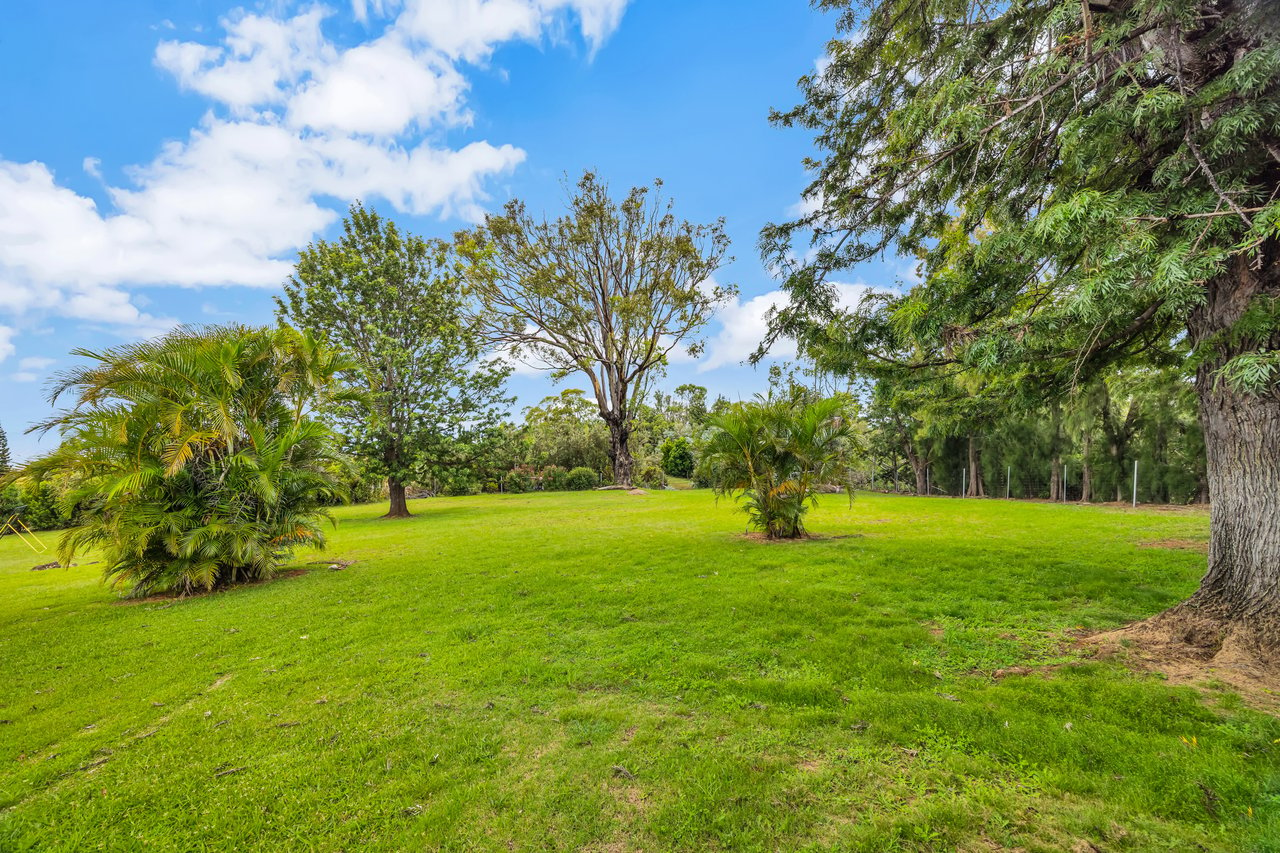
Agricultural land
August 20, 2026
What agricultural zoning actually permits on Maui's ag-zoned parcels, from farm dwellings to septic capacity.
Right Sizing
August 14, 2026
Architecture
July 30, 2026
Haʻikū luxury home for sale
July 21, 2026
Nuka Haiku Restaurant
Mino empowers buyers and sellers to make impactful, meaningful, informed decisions that enrich their lives for the better. Approaches each client with integrity and a sense of honesty that’s born from working in a place she’s always called home.