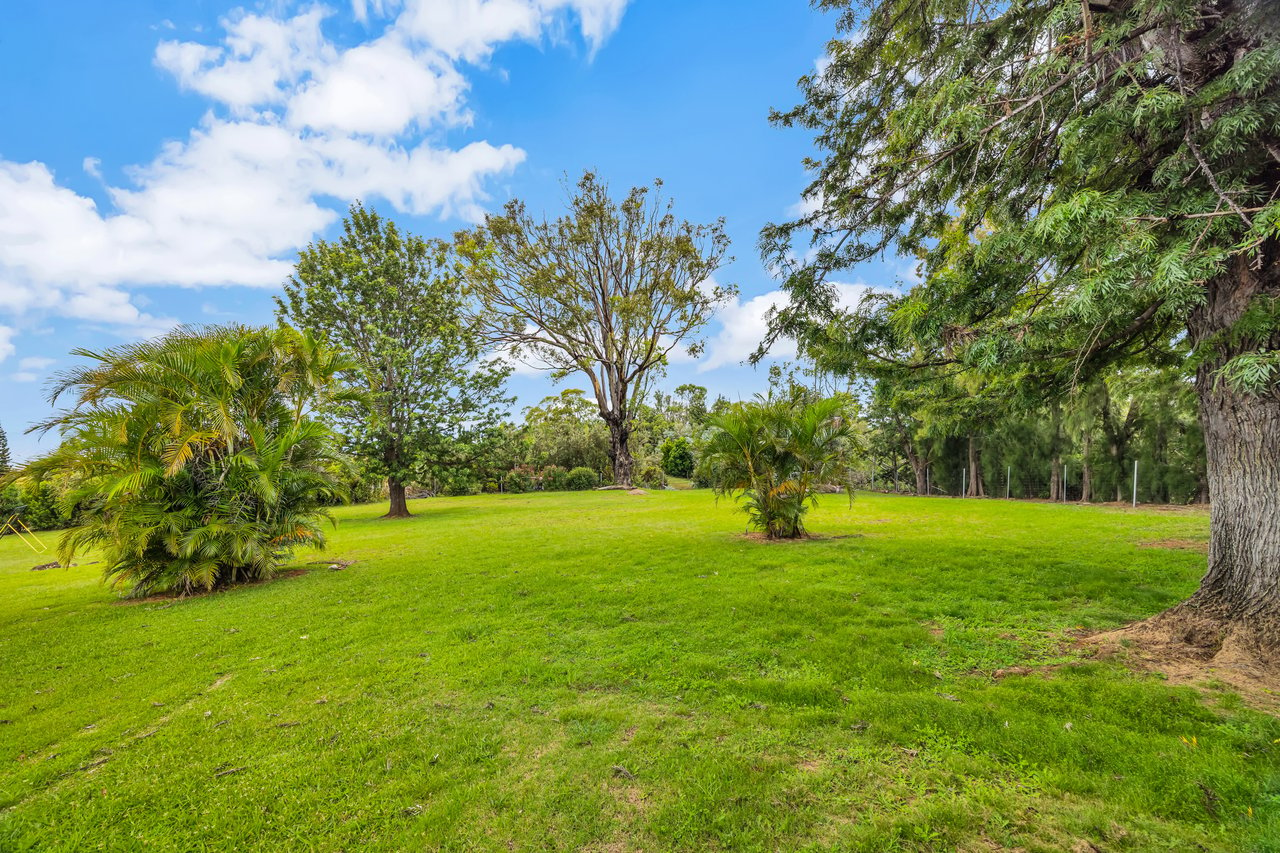
What to Know About Building on Agricultural Land in Maui County
Agricultural land Mino McLean August 20, 2026
Agricultural land Mino McLean August 20, 2026
Every buyer who falls for a piece of ag land on Maui eventually asks the same question, usually after the fact: what am I actually allowed to build here? The answer sits across a handful of code sections that most people never read until they're already in escrow. I've pulled together the rules that come up most often — not as a substitute for a licensed surveyor, architect, or the Planning Department itself, but as the groundwork so you're asking better questions before you're locked into a purchase.
Farm dwellings. Each agricultural parcel is allowed two farm dwellings. The first has no size limit beyond the county's 10% developable-area cap for the lot. The second is capped at 1,500 square feet. That first dwelling requires a building permit supported by an agricultural plan showing at least 51% of the parcel's total area in ag use; the second dwelling's permit requires an inspection confirming that plan is actually being farmed, not just filed.
CPR treatment. If a property is set up as a condominium property regime, the county treats the whole thing as a single parcel for zoning purposes — even though the units are frequently taxed separately. This matters more than most CPR buyers realize: the development limits, the dwelling count, the ag-plan requirement all apply to the parcel as a whole, not per unit.
Water capacity. A property on a standard 5/8" meter has a practical ceiling on bedroom and bathroom count — roughly seven bedrooms and five baths, or six bedrooms and five and a half baths, depending on configuration. If you're buying a CPR unit, the governing documents should spell out the total bedroom/bathroom development potential for that unit specifically, including any barns or offices with plumbing.
Septic. Building the second farm dwelling triggers conversion of any existing cesspool to septic — a requirement I've covered in more detail in my earlier post on Hawaii's cesspool law. The largest standard septic tank, at 1,250 gallons, can serve up to five bedrooms and can be shared across separate structures on the same lot. Each septic system needs at least 10,000 square feet of land area to be sited.
Farm labor dwellings and commercial ag structures. Beyond the two farm dwellings, a parcel can have one farm labor dwelling for every five acres, restricted to agricultural employees or interns on six-month leases, and the owner has to meet two of three criteria: $35,000 in annual ag income, paying county agricultural water rates, or a viable commercial ag plan on file. Separately, a parcel can support two commercial ag structures — an ag products stand or retail structure and an ag food establishment up to 1,000 square feet, plus a farmers market structure up to 3,000 square feet. Anything over 300 square feet needs to be registered.
What doesn't need a permit. Tool sheds up to 120 square feet, fences and walls up to 7 feet, water tanks on grade up to 15,000 gallons, detached shade structures for nursery operations, and detached ag buildings up to 200 square feet. Everything else — including uses and structures that have to match and be justified by the ag plan on file — likely needs one, and other approvals like SMA or flood permits can still apply even when a building permit doesn't.
One more thing that trips people up: mobile homes, trailers, and RVs aren't permitted as dwellings on agricultural land under state rule, unless they're made permanent — set on blocks or a slab and permitted as such.
None of this substitutes for a parcel-specific check. Water meter size, zoning layers, what's actually built versus what's actually permitted, and current aerial imagery against the county record — all of that needs verification for any specific property before you rely on it. Rules also get amended; the second farm dwelling cap above, for instance, moved from 1,000 to 1,500 square feet after a 2024 county ordinance, which is exactly the kind of change that makes checking the current code worthwhile rather than trusting any single source, including this one.
Stay up to date on the latest real estate trends.

October 7, 2026
October 1, 2026
September 10, 2026
August 28, 2026
Agricultural land
August 20, 2026
What agricultural zoning actually permits on Maui's ag-zoned parcels, from farm dwellings to septic capacity.
Right Sizing
August 14, 2026
Architecture
July 30, 2026
Haʻikū luxury home for sale
July 21, 2026
Nuka Haiku Restaurant
July 18, 2026
Buying a home in Upcountry or rural Maui? Here's how Hawaii's 2050 cesspool law works, what conversion costs, and how to inspect before you buy.
Mino empowers buyers and sellers to make impactful, meaningful, informed decisions that enrich their lives for the better. Approaches each client with integrity and a sense of honesty that’s born from working in a place she’s always called home.