Pukalani Country Club Still Runs Its Clubhouse Out of Two Trailers
October 1, 2026
October 1, 2026
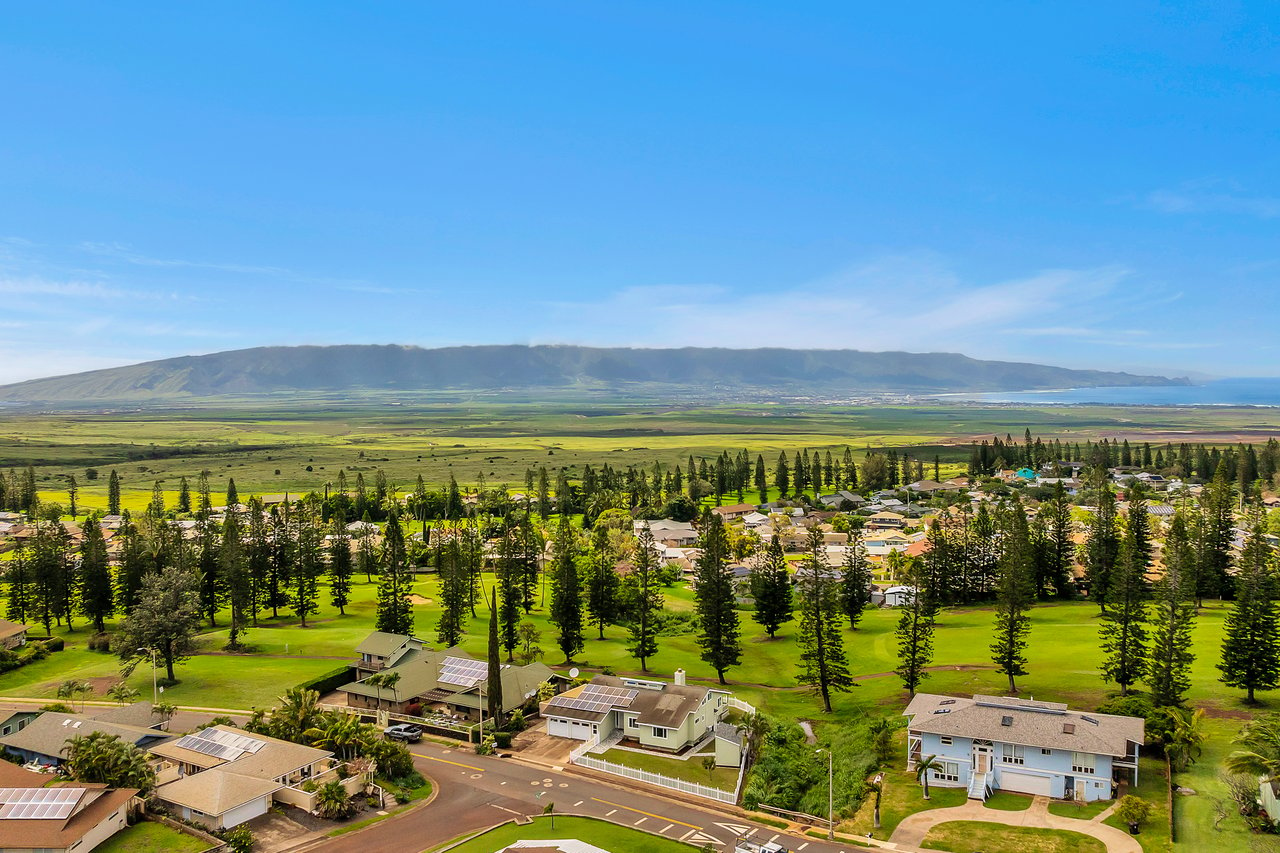
Ask anyone who golfs at Pukalani Country Club about the clubhouse and they will tell you the same thing before you finish the question: it is trailers. Two of them, parked at 360 Pukalani Street, one serving as the pro shop and one holding the kitchen, connected by a covered deck that looks out over fairways sloping down toward the ocean. A rooster and a small flock of chickens work the grounds like they are on payroll. On Friday and Saturday nights, the prime rib sells out, and regulars know to call ahead.
None of this reads like a golf course anyone is trying to sell you on. That is the point. Pukalani doesn't compete with the resort courses down the mountain, and it has never tried to look like it belongs in the same conversation. What it has instead is a facility built entirely around the people who already live here, playing the same eighteen holes on the same Thursday afternoon they played last month.
Bob Baldock designed Pukalani Country Club, one of more than sixty-nine courses he laid out across the country, and construction wrapped in 1980. The layout sits at roughly 1,100 feet on the slope of Haleakalā, high enough that the air is noticeably cooler than the sea-level courses in Kaanapali or Wailea, and the 160 acres of fairway and rough climb and drop with the mountain rather than around it.
The signature hole is the third, and it is signature because of a decision, not a view. Golfers reach a fork: hit a tough iron across a ravine and into the wind toward one green, or play a steep chip shot down to a second, well-trapped green several hundred feet below. Two greens for one hole means the course technically has nineteen greens across its eighteen holes, a detail that shows up in nearly every description of the place and in none of the marketing you'd expect from a course angling for tourist traffic. It is the kind of feature a course builds when it expects players to come back forty times a year, not once on a vacation.
The current general manager is Ronald G. Huffman, a PGA member listed in the PGA's facility directory as running the club out of Kihei. Under his management, the operation has stayed exactly as unpolished as longtime visitors remember it. One reviewer who has played the course annually for three decades described arriving and briefly wondering if a storm had wrecked the clubhouse, before realizing the trailers were not storm damage at all. They are simply how the place operates, and have been for long enough that nobody working there treats it as a problem waiting on a fix.
The practicality extends to how the course runs day to day. Golfers are instructed to have their cart back twenty minutes before sundown, a rule that can cost a slow-playing group the last two or three holes of a round. It is not the kind of policy a resort course advertises, but it is exactly the kind of rule a course built for daily local play settles into: firm enough to keep the operation moving, casual enough that nobody seems to mind.
Course conditions get real attention despite the bare-bones infrastructure around them. Visitors who have played Pukalani across many seasons describe fairways and greens holding up at a level that surprises people expecting the clubhouse setup to signal neglect everywhere else. The grounds crew's priorities are visible in what actually matters for the round: the turf, not the building.
The restaurant side of the operation runs off the same deck, serving breakfast and lunch daily with a Friday and Saturday prime rib special that has built a following well beyond the golfers finishing their rounds. Locals treat it as a dinner destination in its own right, not an afterthought attached to eighteen holes, and the reservation-only prime rib nights are the clearest sign of that. Nobody drives up the mountain on a Saturday night for trailer ambiance. They drive up because the kitchen has earned the trip.
That combination, unglamorous building and genuinely good food, tells you something about what people in Pukalani actually want from a gathering spot. The neighborhood has never tried to be Makawao, with its storefronts and art walk crowds, and it has never tried to be a coastal resort town either. What it offers is space, a golf course that doubles as a social club, and a kitchen that takes its prime rib seriously without needing a building that matches. The clubhouse never got upgraded because the regulars who keep coming back were never asking for one.
If you're already golfing Thursday afternoons at Pukalani or putting your name in for Saturday's prime rib, none of this is news. It is just confirmation that the parts of this place worth knowing were never going to show up in a golf course brochure.
If you're curious what living near a course like this actually feels like day to day, or you're weighing Pukalani against other Upcountry neighborhoods for a move, Mino McLean knows this stretch of Haleakalā's slope well enough to walk you through it. Request a personalized consultation when you're ready to talk specifics.
Stay up to date on the latest real estate trends.
October 7, 2026
October 1, 2026

September 10, 2026
August 28, 2026
Agricultural land
August 20, 2026
What agricultural zoning actually permits on Maui's ag-zoned parcels, from farm dwellings to septic capacity.
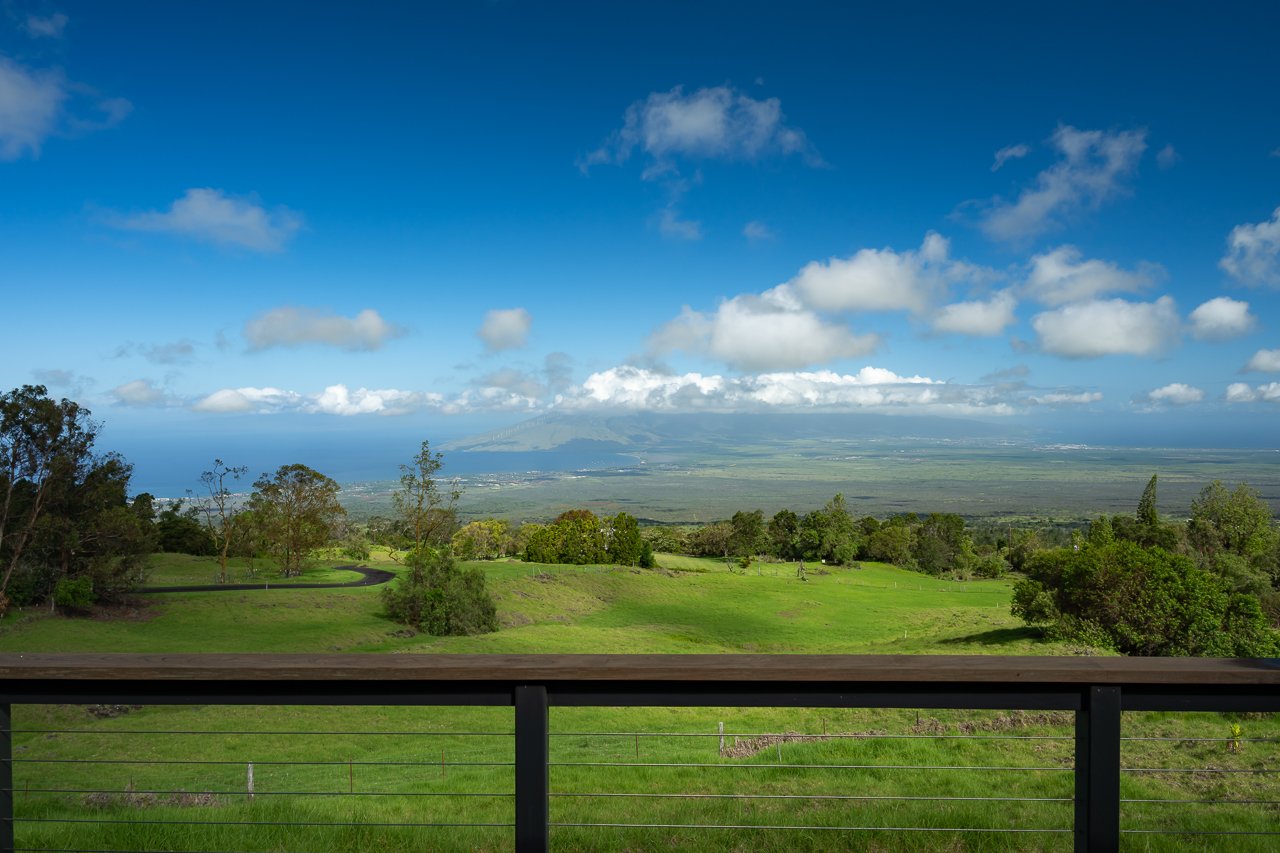
Right Sizing
August 14, 2026
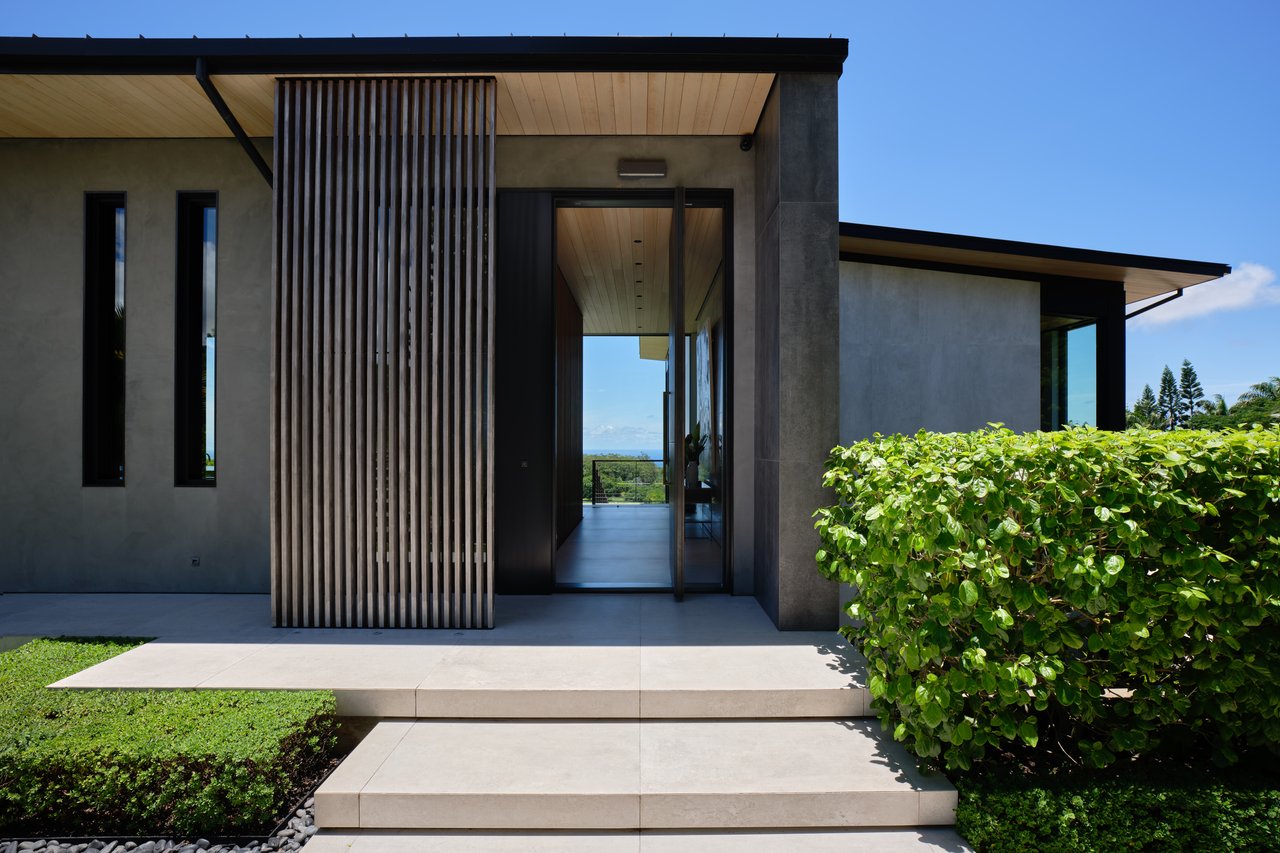
Architecture
July 30, 2026
Haʻikū luxury home for sale
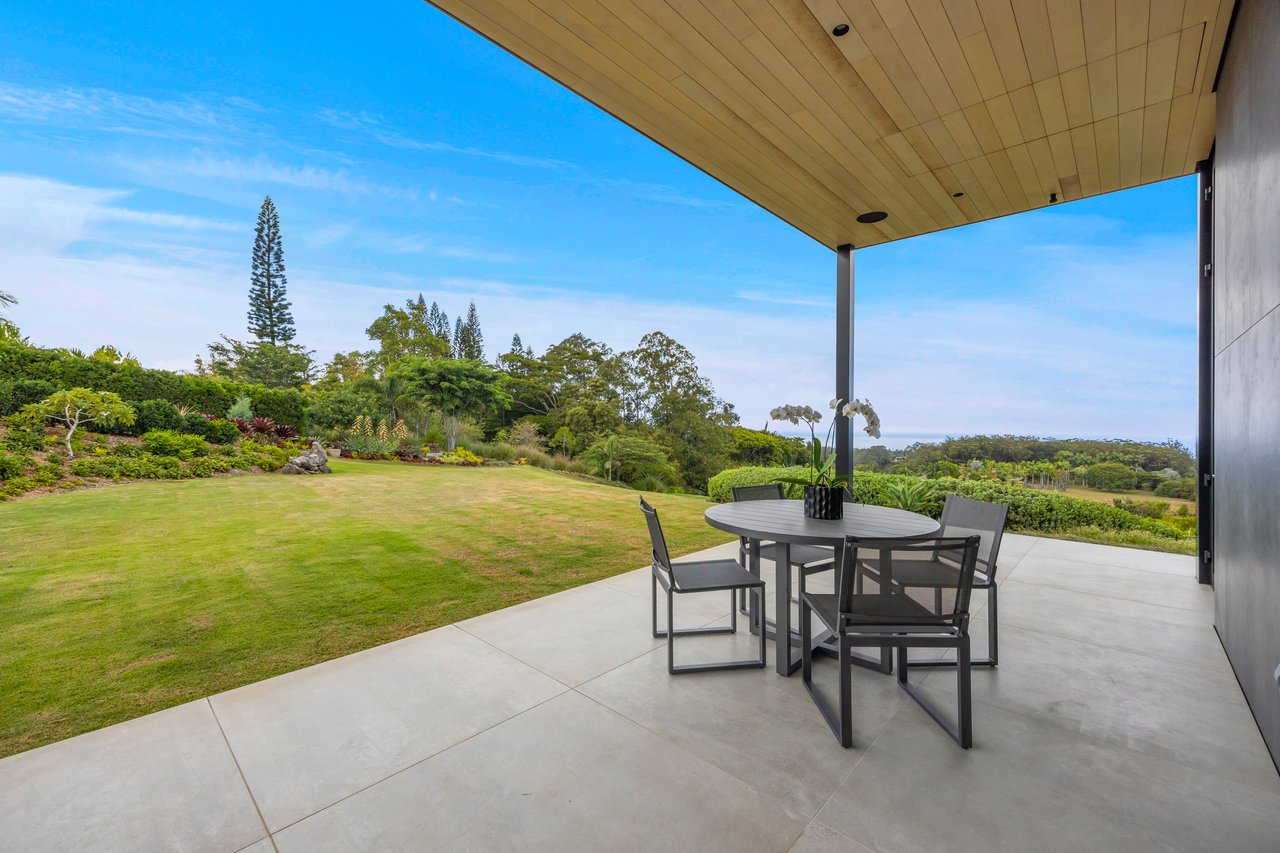
July 21, 2026
Nuka Haiku Restaurant
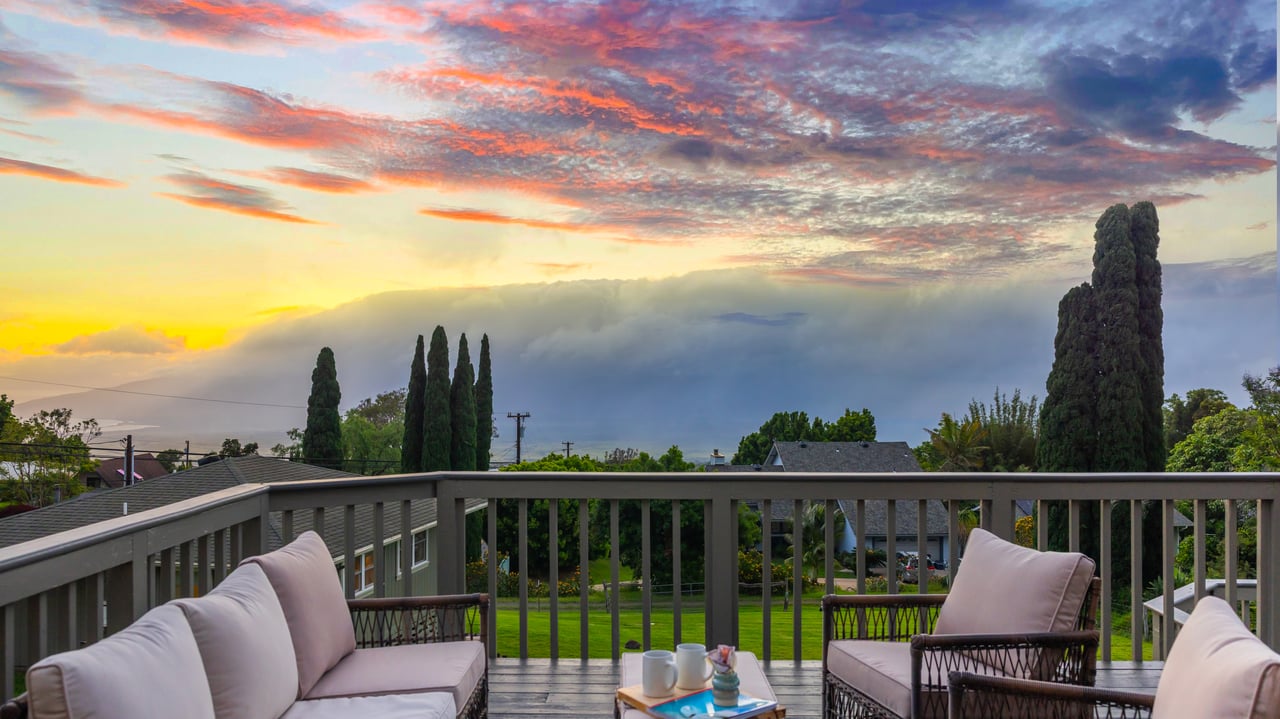
July 18, 2026
Buying a home in Upcountry or rural Maui? Here's how Hawaii's 2050 cesspool law works, what conversion costs, and how to inspect before you buy.
Mino empowers buyers and sellers to make impactful, meaningful, informed decisions that enrich their lives for the better. Approaches each client with integrity and a sense of honesty that’s born from working in a place she’s always called home.