Explore Pāʻia, HI and Maui’s North Shore Lifestyle
Bohemian, wave-worn, and fiercely local — the North Shore on its own terms.
Bohemian, wave-worn, and fiercely local — the North Shore on its own terms.
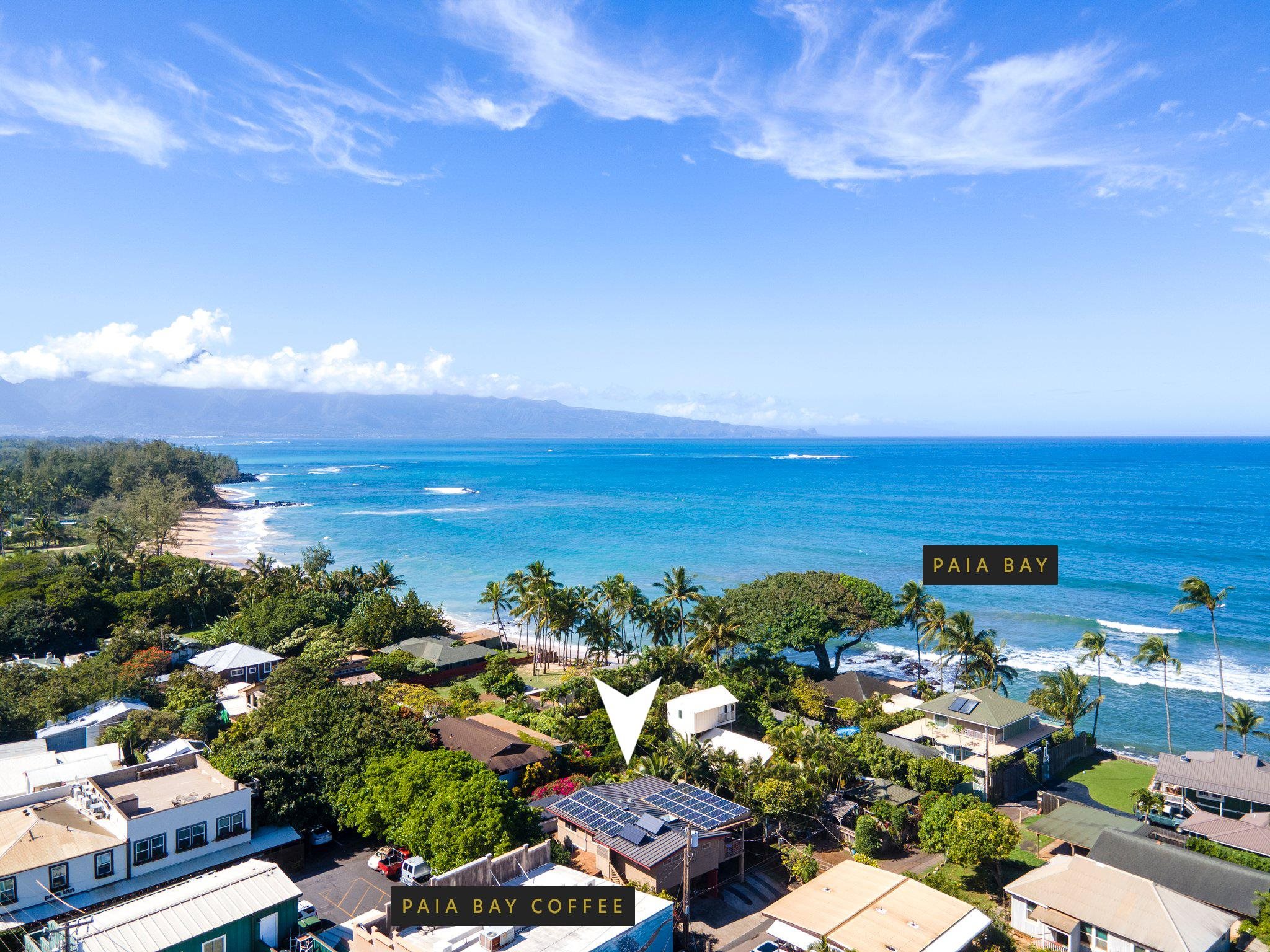
Pāʻia is Maui's most authentic town. A sun-bleached, salt-crusted stretch of Baldwin Avenue where hippies, yoginis, world-class wave riders, and longtime locals all share the same sidewalk — and somehow it works. It has always worked. The North Shore doesn't perform for anyone. It draws a specific kind of person — someone who wants year-round activity, a genuine community, and an ocean that doesn't forgive — and it holds onto them for life.
Pāʻia sits at the gateway to the Road to Hana, and the drive-through traffic that flows through town daily is part of what keeps its businesses thriving. When the Pāʻia Bypass was built to give residents a way around the crawl of the main strip, it was controversial — locals worried it would drain the life from the storefronts. It didn't. Pāʻia is a destination, not just a thoroughfare, and the distinction matters. People don't stop here by accident. They come because they've heard about it, because someone told them to, because once you've been you tend to come back.
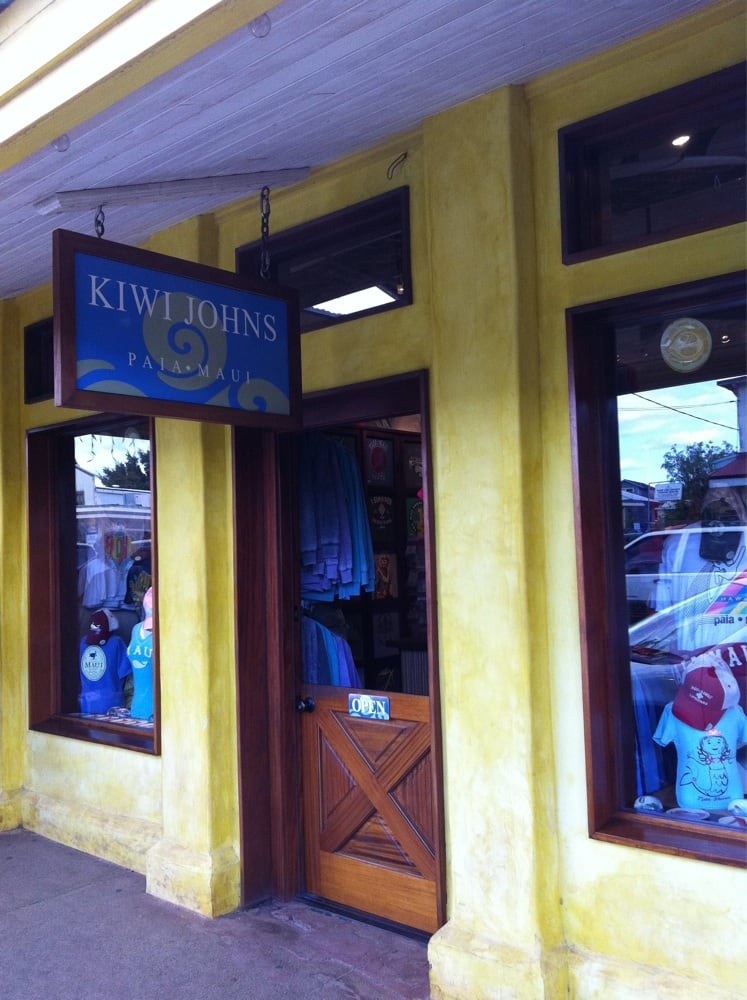
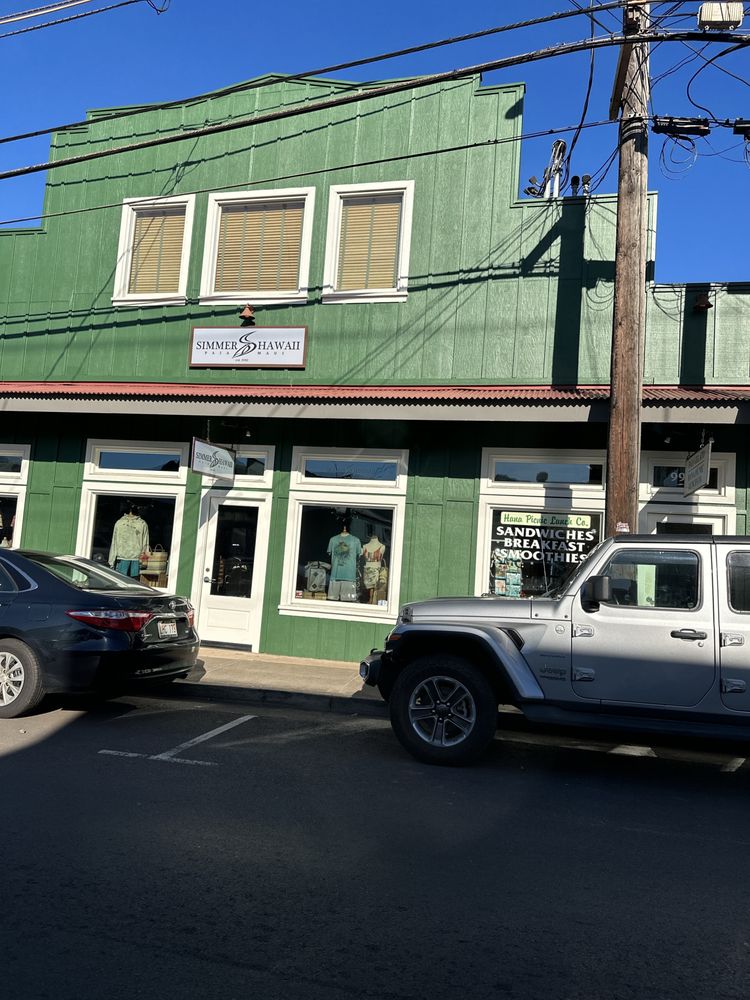
The commercial strip is small, dense, and full of character. Boutiques, surf shops, galleries, and wellness studios occupy buildings that haven't changed much on the outside in decades. Inside, the town has evolved — but its bones remain plantation-era, and that's exactly the point.
Mama's Fish House is the anchor and always has been — a legendary, reservation-required dining destination that draws visitors from across the island and around the world, and somehow never loses its sense of place. But the heart of Pāʻia's food scene lives in the everyday spots that residents count on.
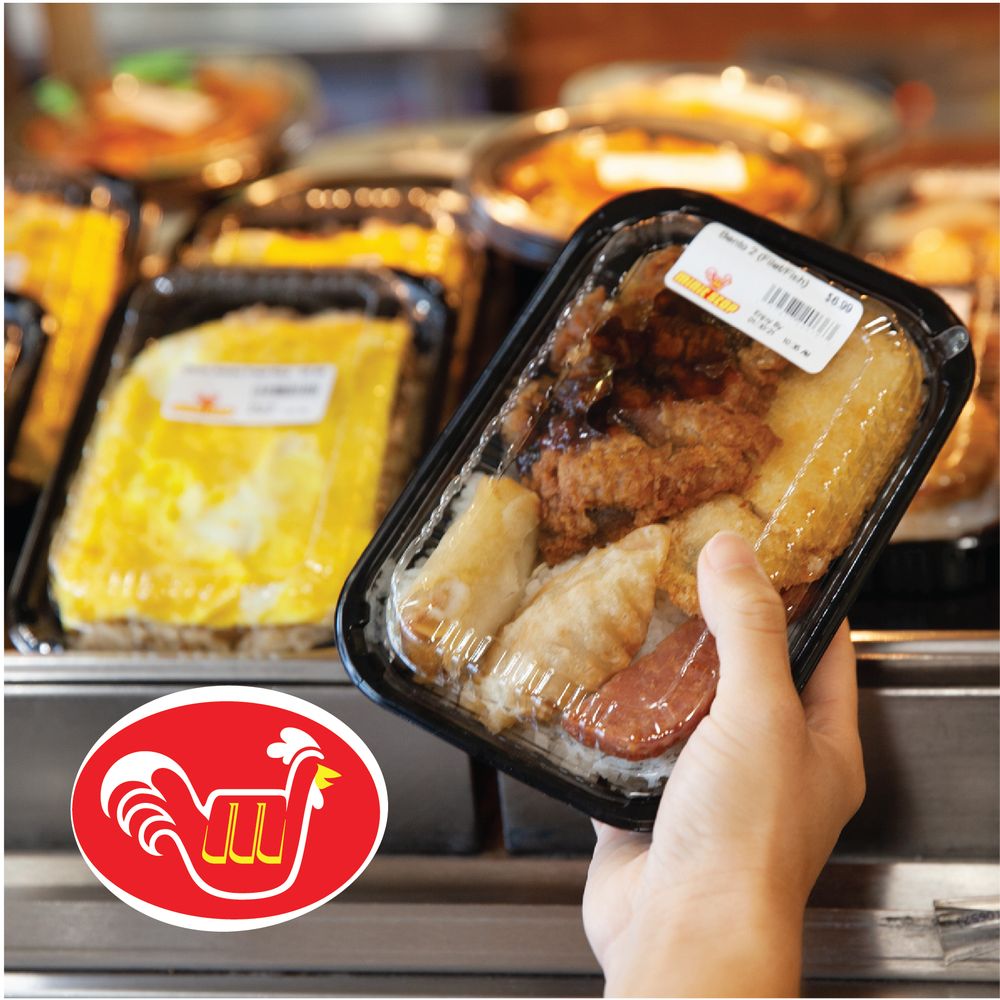
Pāʻia Fish Market for fresh, no-fuss fish done right. Café des Amis for crêpes and a slower morning. Flatbread Company for wood-fired pizza and a community feel. Café Mambo for something with a little more edge. Milagros for Mexican food and a people-watching perch on the corner. And then there's Mana Foods — deserving of its own mention entirely. Pāʻia's beloved natural foods store has made it its mission to keep healthy, organic food accessible and affordable for the community it serves. The deli and bakery alone are worth the stop, and for North Shore residents, Mana is as essential as any grocery store on the island.
The wellness culture here is genuine and deep — not a trend, not a branding exercise. Pilates, yoga, Lagree, and other movement practices are woven into the daily rhythm of the community in a way that reflects who actually lives here.
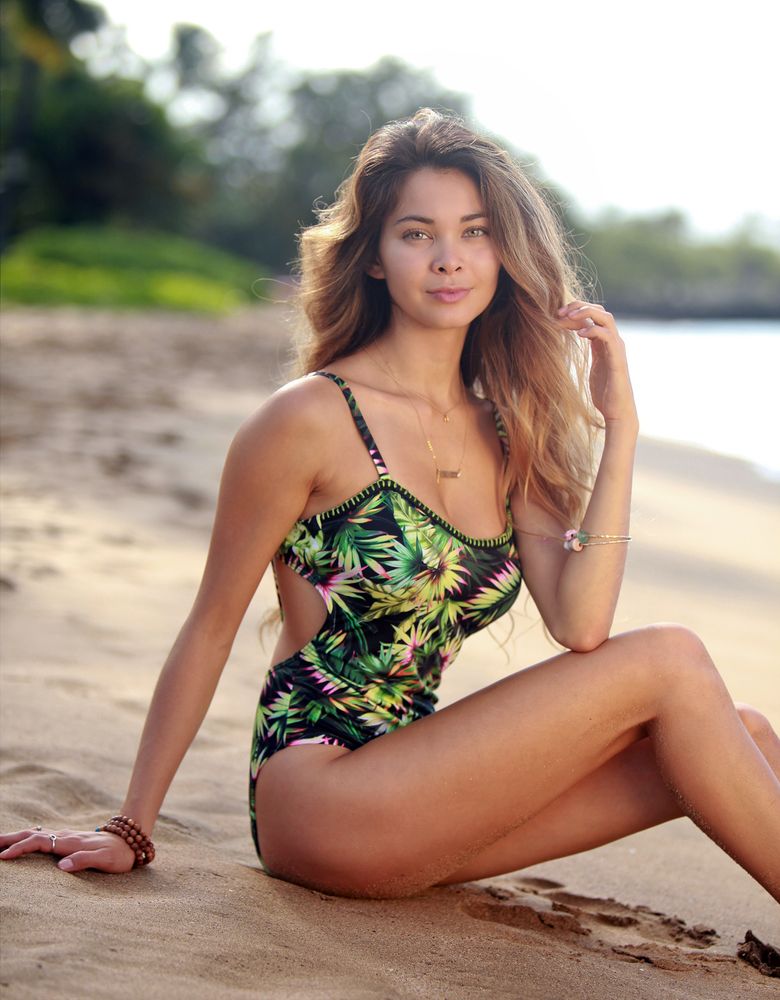
Baldwin Beach Park is the North Shore's community beach — wide, open, and beloved by families, bodyboarders, and anyone who wants to spend a full day in the sun without the manicured resort experience. Ho'okipa Beach Park, just east of town, is in a different category entirely. One of the world's premier windsurfing and kitesurfing venues, Ho'okipa draws elite athletes and passionate enthusiasts from across the globe — and has for decades. That culture is still strong, still active, and still central to the identity of the people who choose to live on the North Shore. The overlook above Ho'okipa is also one of the best places on Maui to watch sea turtles haul out onto the sand in the late afternoon.
The North Shore ocean is powerful, beautiful, and demanding. It rewards those who respect it and humbles those who don't. For the right person, that's not a warning — it's the whole point.
Housing in Pāʻia proper is tight, older, and plantation-era in character — the kind of inventory that doesn't turn over often and commands a premium when it does. Lot sizes are modest and the neighborhood has a density that feels more like a real town than most of Maui.
Moving east toward Spreckelsville, the character shifts to something more expansive and significantly more expensive — this is where wealthy buyers come to play, drawn by the wide open spaces, the proximity to Ho'okipa, and a stretch of coastline that feels unlike anywhere else on the island. Kuʻau, sitting between Pāʻia and Haiku, offers its own appeal — close enough to the ocean to feel it, with a quieter, more residential character than Pāʻia proper.
The North Shore is not a budget market. But for buyers who want to live where the energy is real, the community is tight, and the ocean is right there — it offers something that no resort corridor can replicate.
Anchoring the Spreckelsville stretch is the Maui Country Club, celebrating its 100th anniversary and standing as one of the most cherished private institutions on the island. This is not a resort club — it's a community one, and the distinction is felt immediately. Members enjoy 9-hole golf, tennis, pickleball, and a social scene built around families and longtime relationships rather than status or exclusivity. Most distinctively, the club sits right on the water, offering direct beach access that transforms it into a year-round gathering place for the families who call this stretch of the North Shore home.
For buyers considering Spreckelsville, membership at Maui Country Club is part of what makes the lifestyle here so complete — and so hard to leave.
Baldwin Beach Park — the North Shore's community gathering place
Ho'okipa Beach Park — world-class windsurfing, kitesurfing, and turtle watching
Mama's Fish House — a Maui institution
Pāʻia Fish Market, Café des Amis, Flatbread, Café Mambo, Milagros
Mana Foods — natural, affordable, and essential to the community
A genuine wellness culture — yoga, pilates, Lagree and more
Plantation-era character with boutiques, galleries, and surf shops
Maui Country Club
Kuʻau for oceanside proximity with a quieter feel
Year-round activity for those who want an ocean that earns its respect
2,906 people live in Pāʻia, where the median age is 37.6 and the average individual income is $45,968. Data provided by the U.S. Census Bureau.
Total Population
Median Age
Population Density Population Density This is the number of people per square mile in a neighborhood.
Average individual Income
There's plenty to do around Pāʻia, including shopping, dining, nightlife, parks, and more. Data provided by Walk Score and Yelp.
Explore popular things to do in the area, including Rock and Fire Pizza, Paia Inn, and Paia Gelato.
| Name | Category | Distance | Reviews |
Ratings by
Yelp
|
|---|---|---|---|---|
| Dining | 0.51 miles | 5 reviews | 5/5 stars | |
| Dining · $$$ | 0.53 miles | 121 reviews | 4.2/5 stars | |
| Dining · $ | 0.55 miles | 376 reviews | 4.4/5 stars | |
| Dining · $ | 0.58 miles | 31 reviews | 3.7/5 stars | |
| Shopping | 0.5 miles | 28 reviews | 4.5/5 stars | |
| Shopping | 0.51 miles | 4 reviews | 4.8/5 stars | |
| Shopping | 0.54 miles | 4 reviews | 5/5 stars | |
| Shopping | 0.54 miles | 18 reviews | 3.3/5 stars | |
| Shopping | 0.54 miles | 11 reviews | 4.5/5 stars | |
| Shopping | 0.55 miles | 6 reviews | 3.7/5 stars | |
| Shopping | 0.55 miles | 6 reviews | 5/5 stars | |
| Shopping | 0.55 miles | 15 reviews | 3.9/5 stars | |
| Shopping | 0.55 miles | 0 reviews | 0/5 stars | |
| Shopping | 0.57 miles | 40 reviews | 3.2/5 stars | |
| Shopping | 0.57 miles | 37 reviews | 4.3/5 stars | |
| Shopping | 0.57 miles | 1 review | 5/5 stars | |
| Active | 0.43 miles | 1 review | 1/5 stars | |
| Active | 0.48 miles | 10 reviews | 4.7/5 stars | |
| Active | 0.59 miles | 0 reviews | 0/5 stars | |
| Beauty | 0.46 miles | 1 review | 5/5 stars | |
| Beauty | 0.55 miles | 1 review | 5/5 stars | |
| Beauty | 0.55 miles | 146 reviews | 4.9/5 stars | |
| Beauty | 0.55 miles | 30 reviews | 4.9/5 stars | |
| Beauty | 0.55 miles | 3 reviews | 5/5 stars | |
|
|
||||
|
|
||||
|
|
||||
|
|
||||
|
|
||||
|
|
Pāʻia has 962 households, with an average household size of 3.01. Data provided by the U.S. Census Bureau. Here’s what the people living in Pāʻia do for work — and how long it takes them to get there. Data provided by the U.S. Census Bureau. 2,906 people call Pāʻia home. The population density is 250 and the largest age group is Data provided by the U.S. Census Bureau.
Total Population
Population Density Population Density This is the number of people per square mile in a neighborhood.
Median Age
Men vs Women
Population by Age Group
0-9 Years
10-17 Years
18-24 Years
25-64 Years
65-74 Years
75+ Years
Education Level
Total Households
Average Household Size
Average individual Income
Households with Children
With Children:
Without Children:
Marital Status
Blue vs White Collar Workers
Blue Collar:
White Collar:
Mino empowers buyers and sellers to make impactful, meaningful, informed decisions that enrich their lives for the better. Approaches each client with integrity and a sense of honesty that’s born from working in a place she’s always called home.