
Buying Agricultural Property In Haiku: Key Considerations
February 19, 2026
February 19, 2026
Dreaming of a Haiku acreage where you can grow fruit, keep animals, or build a small farmstead that fits your Maui life? Buying agricultural land here can be deeply rewarding, but the rules are complex and water is everything. With a clear plan and the right checks, you can move forward with confidence and avoid costly surprises. This guide walks you through zoning, water, permits, taxes, and due diligence specific to Haiku so you can buy well. Let’s dive in.
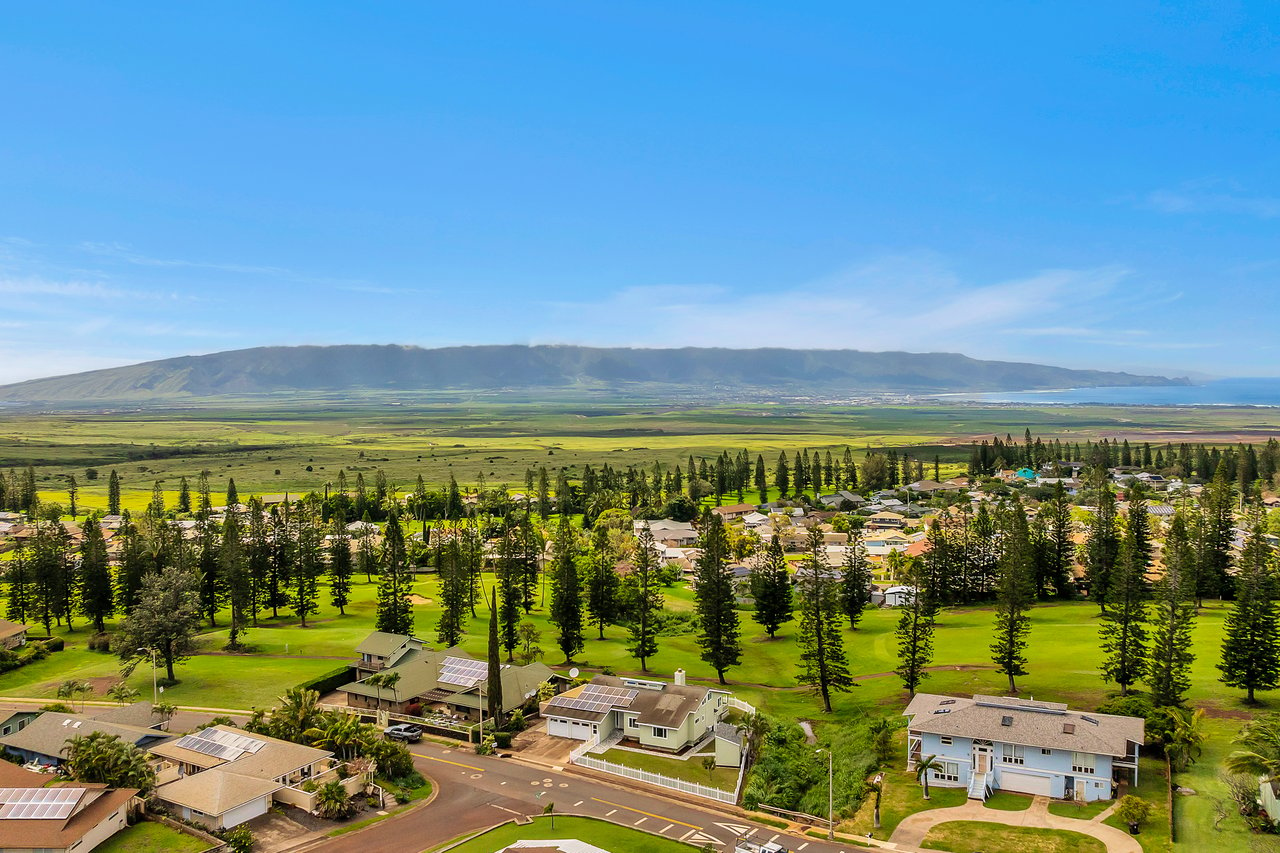
Haiku sits on Maui’s North Shore with lush rainfall, rolling pasture, and a long tradition of small farms and orchards. You’ll see a mix of true working parcels and residential uses within agricultural zoning. What you can build or operate depends on both the State Land Use system and Maui County zoning, so your purchase should start with verifying exactly how the land is classified and what that allows.
Hawaii’s State Land Use law (HRS chapter 205) sets the baseline for what can happen on agricultural lands. Court guidance has confirmed that some non‑agricultural or visitor‑focused uses cannot be authorized on certain high‑productivity ag lands without the right approvals. In short, land in the State Agricultural District is not automatically available for non‑farm recreation or tourism uses without review. For context, see a Hawaii Supreme Court decision that explains limits on authorizing non‑ag uses on productive lands in the ag district. You can review a summary of that case on FindLaw under Hawaii Supreme Court decisions: state case guidance on ag‑district uses.
Maui County’s zoning code (Title 19) is your practical rulebook. In the Agricultural District, the code lists principal permitted uses, including agriculture, livestock, agricultural conservation, and certain utility or energy facilities under defined conditions. You can read the permitted‑use section here: Maui Title 19 Agricultural District permitted uses.
A few key points buyers ask about:
Some open‑land commercial or recreational uses that are inconsistent with productive agriculture are prohibited in the Agricultural District. Other non‑standard uses require a County Special Use Permit and, in some cases, State review depending on parcel size and proposal. See: Maui Title 19 special uses and prohibitions.
Short‑term rentals (STRs) and bed and breakfasts (B&Bs) can only operate on ag land under very specific conditions. In practice, this often means you must have an approved and implemented farm plan or meet the $35,000 gross agricultural sales test, along with any required STR permits under other chapters. Treat visitor‑lodging plans as conditional until fully verified. See: B&B and STR references in Title 19 Agricultural District.
Water often determines whether your Haiku farm is viable. Some parcels tie into the County Department of Water Supply (DWS) systems serving Paia/Haiku/Upcountry, while others rely on private wells or catchment.
Bottom line: lock down how water will be supplied and at what capacity before you remove contingencies.
Haiku’s rural parcels often use on‑site systems and outbuildings. Make sure what you see is permitted and fits your plans.
Zoning alone does not set your property tax assessment. Maui requires proof of actual agricultural use to qualify for the agricultural assessment.
Haiku’s wetter North Shore climate, gulches, and slopes call for a close look at flood and drainage. Review FEMA flood maps, County hazard layers, and consider a geotechnical review for steep terrain. After the 2023 Lahaina wildfires, insurance availability and premiums have been in flux across Hawaii. Before you finalize your offer, obtain firm quotes that match your lender’s requirements. For market context on insurance conditions, see this summary: states facing insurance market pressures.
Lenders often require proof of insurability, compliant on‑site wastewater, and documented water service or well rights. Engage your lender early so underwriting aligns with your parcel and intended use.
Use this list to gather documents and confirm key items before removing contingencies.
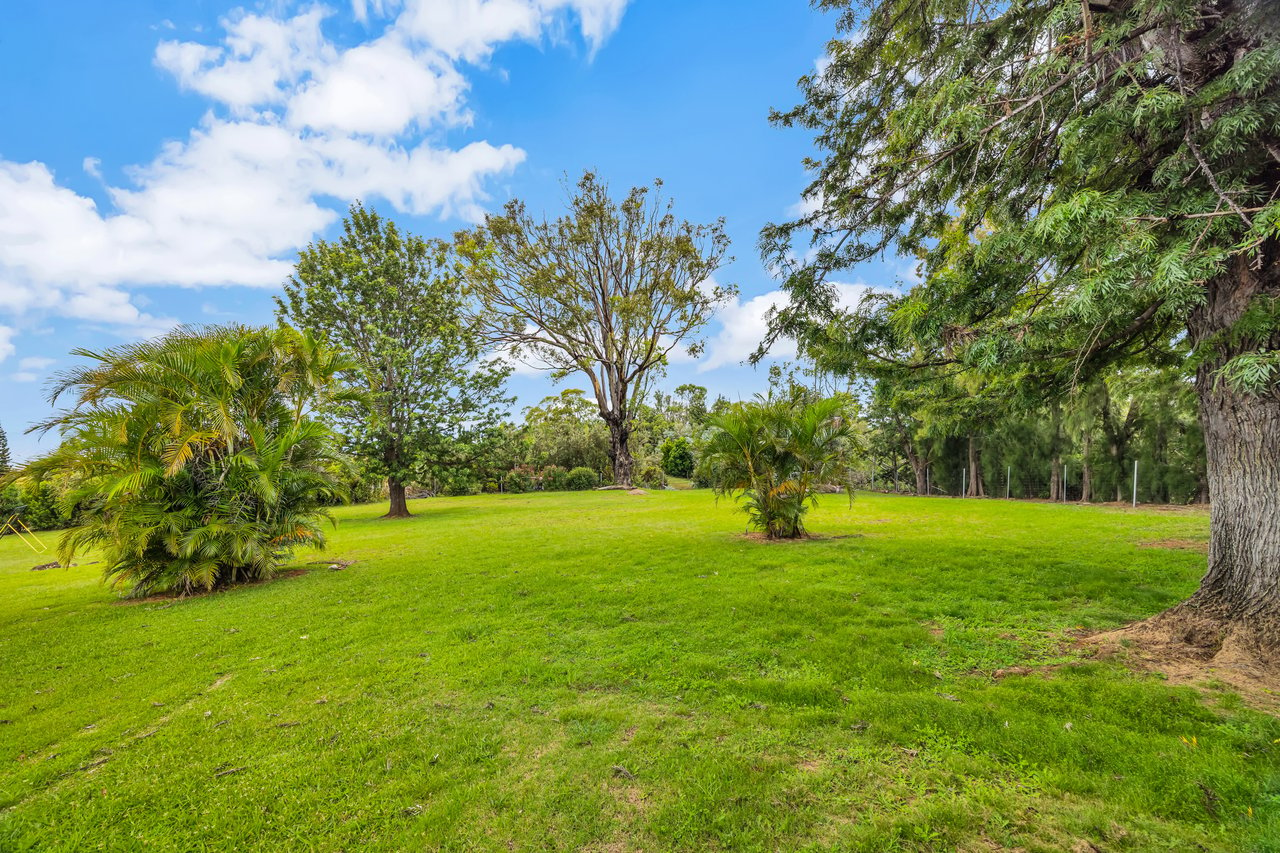
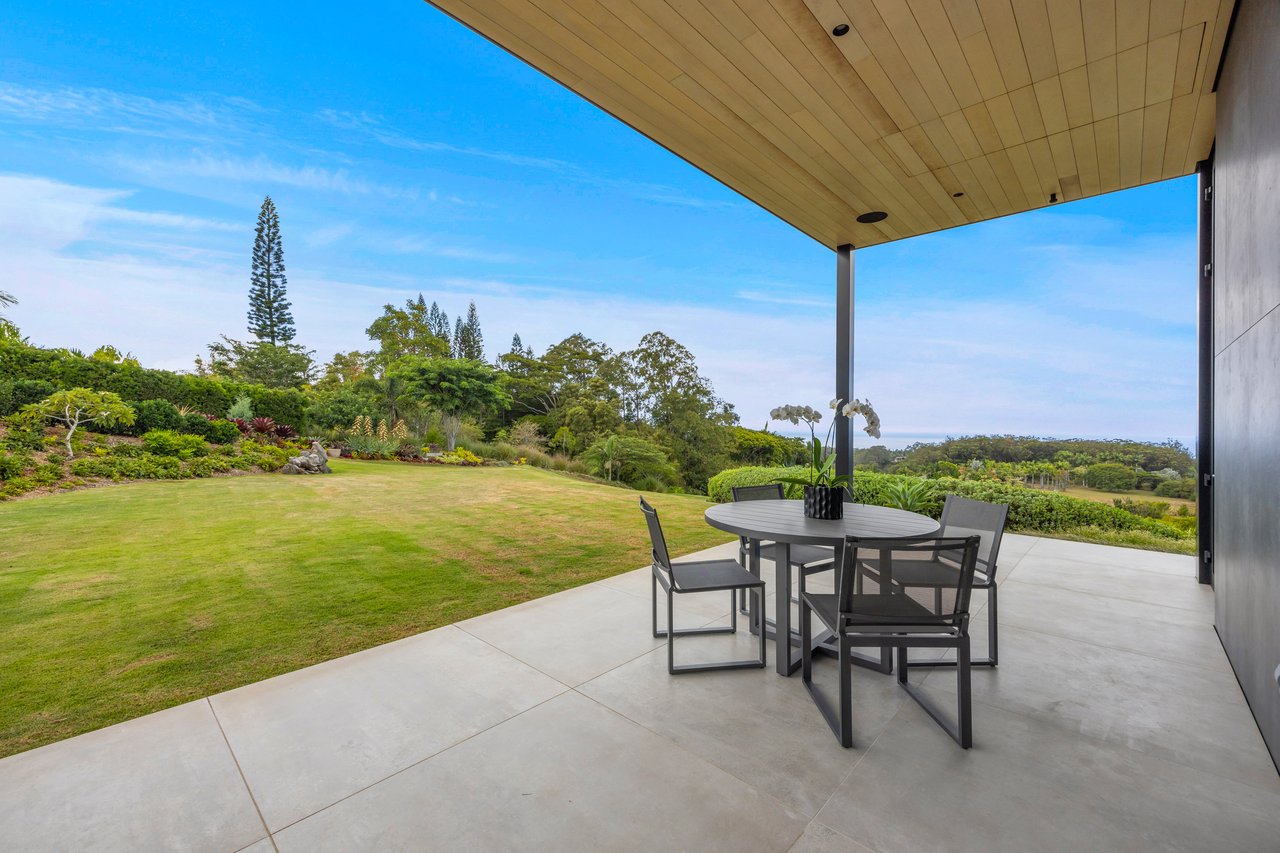
Many Haiku ag parcels run several acres with a mix of open pasture, orchards, and windbreaks. Common improvements include a modest main residence, one or two small farm dwellings or ohana units if legally permitted, barns or greenhouses, fenced paddocks, farm water tanks or catchment, and internal access roads. Parcels are often sloped, so topography and drainage can reduce the portion of land that is practically usable. A site walk with soils and topographic maps will help you plan building pads, farming areas, and access.
Strong offers on ag parcels show a clear path to water, compliance, and insurance. Include proof of funds or pre‑approval, outline your due‑diligence timeline for water and permits, and request the seller’s farm records and permit packets up front. If your vision includes B&B or STR operations, build in time to confirm the farm‑plan status and any income documentation tied to the $35,000 test.
Buying agricultural property in Haiku is part lifestyle and part land‑use strategy. When you line up zoning, water, and permits early, you protect your investment and create space to enjoy the Maui life you came for. If you want a thoughtful, step‑by‑step plan tailored to your goals, reach out to the team that lives and works these Upcountry and North Shore markets every day. For a personalized consultation and a curated search, connect with Mino McLean.
Stay up to date on the latest real estate trends.

October 7, 2026
October 1, 2026

September 10, 2026
August 28, 2026
Agricultural land
August 20, 2026
What agricultural zoning actually permits on Maui's ag-zoned parcels, from farm dwellings to septic capacity.

Right Sizing
August 14, 2026
Architecture
July 30, 2026
Haʻikū luxury home for sale
July 21, 2026
Nuka Haiku Restaurant

July 18, 2026
Buying a home in Upcountry or rural Maui? Here's how Hawaii's 2050 cesspool law works, what conversion costs, and how to inspect before you buy.
Mino empowers buyers and sellers to make impactful, meaningful, informed decisions that enrich their lives for the better. Approaches each client with integrity and a sense of honesty that’s born from working in a place she’s always called home.